Inflammation has become one of wellness culture’s favorite words. Foods, supplements, retreats and routines are frequently marketed as ways to “fight” or “detox” inflammation. But the science is more nuanced: inflammation itself is not the enemy. It is a normal part of the immune system’s response to infection and injury.
The concern is persistent or chronic inflammation. Harvard Health explains that chronic inflammation can continue without the obvious redness, swelling or pain associated with an acute injury, and is linked with a range of health conditions. Harvard Health’s overview also stresses that evaluating suspected chronic inflammation belongs with a healthcare professional rather than a self-diagnosis based on vague symptoms.
Acute vs. Chronic Inflammation
Acute inflammation is part of the body’s short-term defense and repair system. Chronic inflammation is different: immune activity can persist and contribute to tissue damage over time. Research has connected long-term inflammatory processes with cardiovascular disease, metabolic disease and other chronic conditions, although inflammation is only one piece of those complex diseases.
That distinction matters because popular wellness language can make it sound as though all inflammation should be eliminated. It should not. A functioning inflammatory response is necessary; the goal is better overall health and management of underlying risk factors, not eliminating a normal immune function.
What About an “Anti-Inflammatory Diet”?
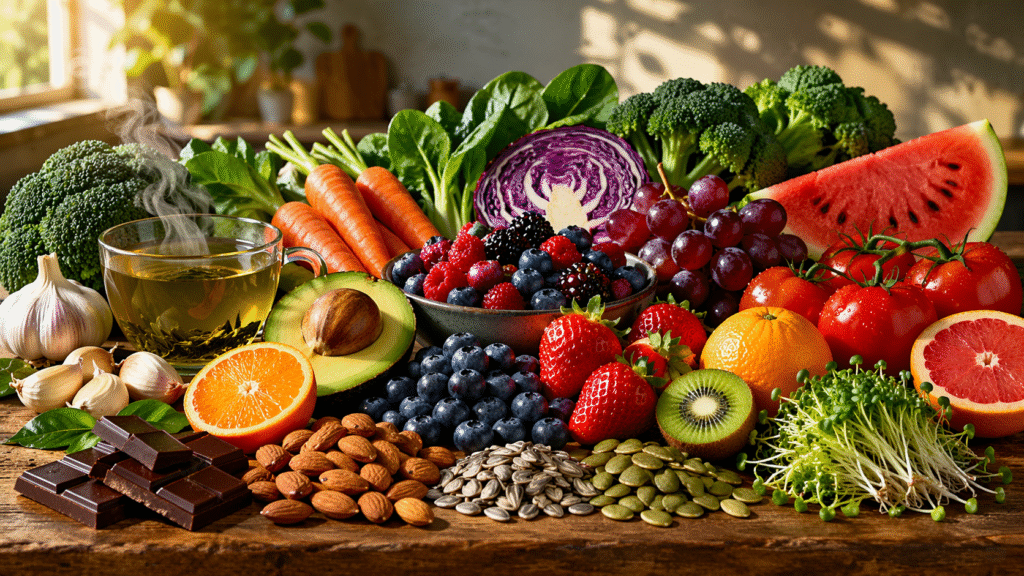
There is no single official anti-inflammatory diet. Evidence generally favors dietary patterns rich in vegetables, fruits, whole grains, legumes, nuts, seeds and unsaturated fats rather than a miracle ingredient. Harvard’s Nutrition Source notes that research often points toward patterns similar to a Mediterranean-style diet while recommending limits on heavily processed foods, refined carbohydrates and processed meats. See Harvard T.H. Chan School of Public Health’s evidence review.
More recent Harvard guidance similarly emphasizes whole dietary patterns rather than a single “superfood.” Fruits and vegetables, whole grains, legumes, nuts, seeds and olive oil can fit that pattern. Harvard Health’s 2026 guide describes the approach as a set of practical dietary habits, not a rigid cure.
A Correction to a Common Wellness Claim: Apple Cider Vinegar
Apple cider vinegar is often promoted online as a daily anti-inflammatory remedy. The evidence does not justify presenting it as a proven treatment for chronic inflammation. It may have limited effects on certain metabolic measures in some studies, but that is not the same as demonstrating that it meaningfully treats chronic inflammation or prevents inflammatory disease.
For that reason, we do not recommend relying on apple cider vinegar — or any single food or supplement — as an inflammation treatment. People with persistent symptoms or concerns about inflammatory disease should discuss them with a qualified healthcare professional.
Exercise Matters Too
Physical activity is consistently associated with better cardiovascular and metabolic health, and research also suggests connections between exercise and inflammatory pathways. Harvard Health recommends regular exercise as part of a broader approach to reducing risks associated with chronic inflammation. Its guidance places exercise alongside diet, sleep and stress management rather than treating any one habit as a cure.
In 2026, the U.S. National Institutes of Health highlighted research suggesting that sleep and exercise may reduce inflammation associated with certain age-related blood-cell mutations. The findings are specific and should not be generalized into a universal cure, but they add to evidence that lifestyle factors interact with inflammatory biology. Read the NIH research summary.
Sleep and Stress Are Part of the Picture
Sleep deprivation has been associated with higher levels of inflammatory markers. That does not mean one bad night causes chronic inflammatory disease, but repeated poor sleep is another reason to view inflammation through the lens of overall health rather than a specific product or detox routine. Harvard Health reviews the relationship between sleep loss and inflammatory markers.
Stress is similarly complicated. Chronic stress can affect hormonal and immune pathways, while stress reduction can support sleep and other healthy behaviors. The practical lesson is not that meditation “cures inflammation,” but that managing stress is one component of a healthier lifestyle.
What About Luxury “Anti-Inflammation” Retreats?
Wellness retreats may combine nutrition, exercise, sleep programs, relaxation and medical testing, but luxury packaging should not be confused with stronger scientific evidence. Some components may reflect established healthy habits; others may be marketed with claims that go beyond what research has demonstrated.
A useful rule is to separate the intervention from the marketing. A balanced diet, regular physical activity and sufficient sleep do not become more scientifically effective simply because they are offered at an expensive resort.
The Bottom Line
Chronic inflammation is medically important, but it is also a term vulnerable to oversimplification. The strongest practical advice is familiar: eat a varied diet centered on minimally processed foods, stay physically active, get adequate sleep, avoid smoking, manage stress and work with a healthcare professional when symptoms or risk factors warrant evaluation.
Be skeptical when a product, supplement, retreat or influencer promises to “eliminate inflammation.” Human biology is rarely that simple.
This article is for general information and is not a substitute for individual medical advice, diagnosis or treatment.