Antioxidants are often marketed as if they can detox the body, slow aging or protect us from almost every major disease. The science is more interesting — and more cautious.
Antioxidants are substances that can help counter certain forms of oxidative damage in the body. They include nutrients such as vitamins C and E as well as plant compounds including carotenoids and polyphenols. MedlinePlus notes that fruits and vegetables are rich sources and that diets containing plenty of these foods are associated with better health. But it is not clear that antioxidants alone explain those benefits.
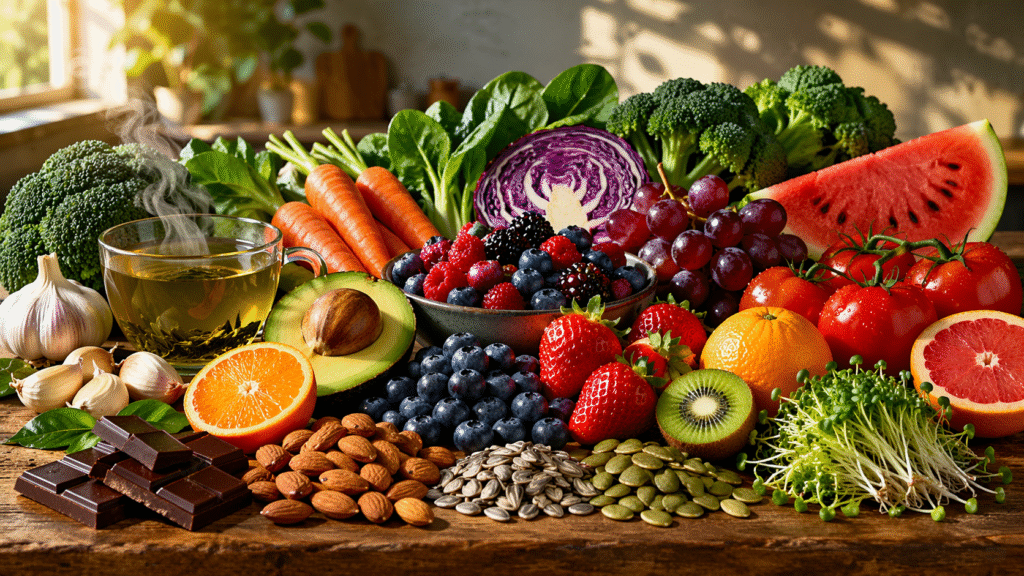
That distinction is important: a blueberry is a complex food, not an antioxidant pill. Here are ten useful foods to include in a varied diet without turning them into miracle cures.
1. Berries
Blueberries, strawberries, blackberries and raspberries contain vitamin C and a range of plant compounds, including anthocyanins in many deeply colored berries. They also provide fiber. Their value comes from the whole nutritional package rather than from one isolated antioxidant.
2. Bell Peppers
Red and other bell peppers are useful sources of vitamin C and carotenoids. Vitamin C contributes to normal immune function and collagen formation, but eating more than the body needs does not turn it into a universal immune booster.
3. Tomatoes
Tomatoes provide vitamin C and lycopene, a carotenoid responsible for much of their red color. Cooked tomato products can be particularly useful dietary sources of lycopene.
4. Carrots and Sweet Potatoes
Orange vegetables are well known sources of beta-carotene, which the body can convert to vitamin A. Vitamin A is important for normal vision and immune function. This is different from claiming that large doses of beta-carotene supplements improve eyesight or prevent disease.
5. Leafy Green Vegetables
Spinach, kale and other leafy greens contain carotenoids and numerous vitamins and minerals. They are also part of dietary patterns consistently associated with better cardiovascular and overall health.
6. Broccoli and Other Cruciferous Vegetables
Broccoli, cabbage, cauliflower and Brussels sprouts provide vitamin C and plant compounds called glucosinolates. They are nutritious foods, but descriptions such as ‘detox champions’ oversimplify how the liver, kidneys and other biological systems actually process substances in the body.
7. Nuts and Seeds
Almonds, sunflower seeds and many other nuts and seeds provide vitamin E along with unsaturated fats, minerals and protein. That combination makes them useful components of a balanced diet.
8. Beans and Lentils
Legumes may not receive the same antioxidant marketing as berries, but they provide polyphenols along with fiber, protein and important minerals. Their broader nutritional value is one reason they appear frequently in healthy dietary patterns.
9. Tea
Green and black teas contain polyphenols, including catechins. Research continues into their possible health effects, but tea should not be presented as a treatment for disease or a reliable way to ‘boost metabolism’ enough to cause meaningful weight loss by itself.
10. Grapes
Grapes contain several polyphenols, including resveratrol in their skins. Resveratrol receives heavy marketing attention, but the amount and biological effect obtained from ordinary foods should not be confused with claims made for concentrated supplements.
Why Food Is Not the Same as a Supplement
This is one of the most important points in antioxidant science. The NIH’s National Center for Complementary and Integrative Health says extensive evidence links higher fruit and vegetable intake with lower risks of several chronic diseases, but trials of antioxidant supplements have generally not reproduced those benefits.
More is not necessarily better. NCCIH notes that high-dose beta-carotene supplements can increase lung-cancer risk in people at high risk, particularly smokers, and high doses of some other antioxidant supplements can cause adverse effects or interact with medicines.
The Better Rule: Eat Variety, Not ‘Superfoods’
There is no scientifically meaningful need to rank foods by which one has the ‘most powerful’ antioxidant. Different foods contain different nutrients and compounds, and health outcomes depend on the overall diet and lifestyle.
A practical approach is simple: eat a varied mix of fruits, vegetables, legumes, nuts, seeds and other minimally processed foods. Their benefits extend far beyond antioxidants — and that is precisely why whole foods generally make more sense than chasing one fashionable compound.
This article provides general nutrition information and is not medical advice. People considering high-dose supplements, particularly those taking medication or undergoing medical treatment, should discuss them with an appropriate healthcare professional.