For decades, many people in North America and Europe have treated cheap fuel, stocked supermarket shelves, next-day deliveries and relatively predictable air travel as ordinary features of modern life. The widening U.S.–Iran conflict is a reminder that much of that convenience depends on trade routes, energy supplies and security arrangements thousands of kilometres away.
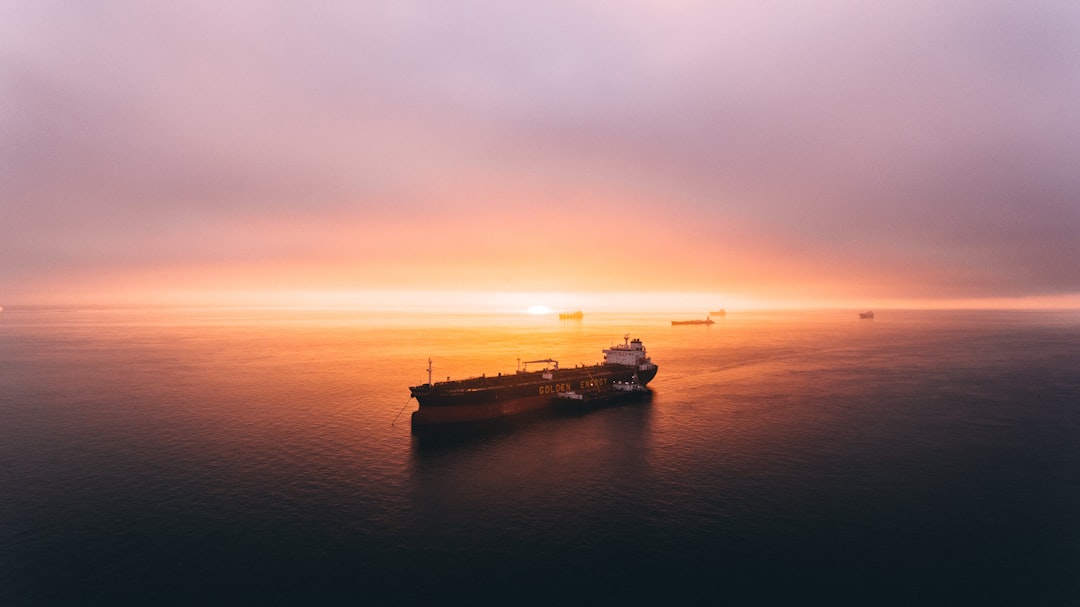
The latest escalation has made that vulnerability unusually visible. On September 9, Iran said it attacked 10 ships near the Strait of Hormuz after the United States sank five Iranian oil tankers. Brent crude moved above $100 a barrel, while shipping through one of the world’s most important energy corridors remained severely disrupted.
This does not mean Western life is about to collapse. Advanced economies have strategic reserves, alternative suppliers and considerable capacity to adapt. But if the conflict remains prolonged or spreads, several things that consumers regard as normal could become more expensive, less reliable or politically difficult to maintain.
1. Cheap and predictable energy could become less normal
The Strait of Hormuz is only about 54 kilometres wide at its narrowest point, yet the International Energy Agency says roughly 20 million barrels per day of crude oil and oil products passed through it in 2025. That was around a quarter of the world’s seaborne oil trade. Qatar and the United Arab Emirates also send major liquefied natural gas exports through the same corridor.
The consequences therefore reach far beyond the countries directly involved in the fighting. Oil is globally priced. Even countries that import relatively little Gulf crude can experience higher gasoline, diesel and transport costs when global supply tightens.
The IMF said in July that the initial shock had been cushioned by lower demand, increased production elsewhere and inventory drawdowns, but warned that those buffers were being depleted. The IEA’s August outlook said elevated fuel prices and continued disruption around Hormuz were already weighing on oil demand and international supply chains.
2. The cost of moving almost everything could rise
Modern Western economies are built around remarkably cheap transportation. A product can be manufactured in Asia, shipped across oceans, moved by truck and delivered to a home while transportation remains only a fraction of its final price.
War changes that calculation. Ships facing missile, drone or mine threats may need different routes, additional security and more expensive insurance. Fuel itself becomes more costly. Those expenses can eventually appear in the price of electronics, clothing, building materials, household products and industrial components.
The International Maritime Organization says instability in the region is affecting more than 20,000 seafarers, port workers and offshore crews. The human danger behind the economic statistics is important: global trade depends on people being willing and able to operate vessels through contested waters.
3. Fast delivery has a geopolitical foundation
Consumers have become accustomed to clicking a button and expecting a product within days—or sometimes hours. But just-in-time inventories work best when shipping lanes, ports, fuel supplies and insurance markets are predictable.
A prolonged Middle East conflict would not necessarily empty Western stores. Companies can change suppliers and routes. But the combination of longer transit times, higher freight costs and uncertain energy supplies could encourage businesses to hold more inventory and build more resilient supply chains. Resilience costs money, and some of that cost is ultimately paid by consumers.
4. Food could become another hidden casualty
The connection between a tanker conflict and a grocery bill is easy to miss. Agriculture needs diesel for machinery and transportation, natural gas and other energy inputs are important to fertilizer production, and food itself moves through global logistics networks.
The IMF has warned that the war’s effects can travel through energy, trade and finance, with higher food and fertilizer prices particularly dangerous for poorer countries. Wealthier Western economies have greater buffers, but they are not insulated from the same price pressures.
5. Flying could become more expensive and complicated
Jet fuel is one of an airline’s major costs. Higher oil prices can eventually translate into more expensive tickets, especially if disruption persists. Conflict can also close or complicate airspace, forcing airlines to fly longer routes and consume more fuel.
For travelers in Europe and North America, the effect may initially look like a fare increase rather than a war-related disruption. But the underlying cause can be the same: a security crisis thousands of kilometres away changing the economics of global mobility.
6. Inflation and interest rates could stay higher for longer
Energy shocks do not stop at the gas station. More expensive fuel raises costs for manufacturers, farms, airlines and trucking companies. If businesses pass those costs to customers, inflation can become harder for central banks to control.
The IMF has described the Middle East shock as global but uneven: energy importers and countries with fewer financial buffers are more exposed. For households in richer countries, a prolonged shock could still mean an uncomfortable combination of higher living costs, slower economic growth and less room for interest-rate cuts.
7. Governments may spend more on security—and make harder choices
A long conflict can also change public budgets. Protecting shipping lanes, maintaining military deployments, replenishing weapons inventories and strengthening energy security all cost money. Governments facing higher defence and security spending may have less fiscal room for other priorities, or may need to borrow more.
That does not automatically mean cuts to public services. Budget choices differ by country. But prolonged geopolitical instability forces governments to reconsider what they need to insure against—and how much citizens are willing to pay for that insurance.
8. The biggest change may be psychological
Perhaps the most lasting consequence would be a change in assumptions. The post-Cold War Western economy encouraged the belief that energy would always arrive, major sea lanes would remain open and global commerce could continue even when regional politics deteriorated.
The current war challenges that assumption. Reuters reported this week that roughly one-third of Gulf oil exports remained missing compared with pre-war flows despite so-called “dark crossings” by tankers. That does not signal the end of globalization. It does show that efficiency without redundancy can become a vulnerability.
What happens next?
There are several possible paths. A diplomatic agreement that restores reliable passage through Hormuz could quickly reduce some pressure. A contained but prolonged conflict could leave the world with a persistent geopolitical premium on energy and shipping. A wider regional war involving additional infrastructure or shipping routes would create substantially greater risks.
None of those outcomes is predetermined. The United States, Iran and regional governments still have incentives to prevent economic damage from spiraling beyond their control. But the latest tanker attacks demonstrate how quickly a military decision can travel through commodity markets and supply chains.
For people living far from the Middle East, that may be the central lesson of this war: many conveniences of Western life are not simply products of domestic prosperity. They depend on an international system that usually works so quietly that people notice it only when something breaks.
Sources
- Reuters — Iran and U.S. tanker attacks, September 9, 2026
- Reuters — Gulf oil flows and dark crossings, September 9, 2026
- International Energy Agency — Strait of Hormuz
- International Energy Agency — Oil Market Report, August 2026
- IMF — The Oil Market Absorbed the War Shock, but Buffers Are Running Low
- IMF — How the War in the Middle East Is Affecting Energy, Trade, and Finance
- International Maritime Organization — Middle East / Strait of Hormuz