
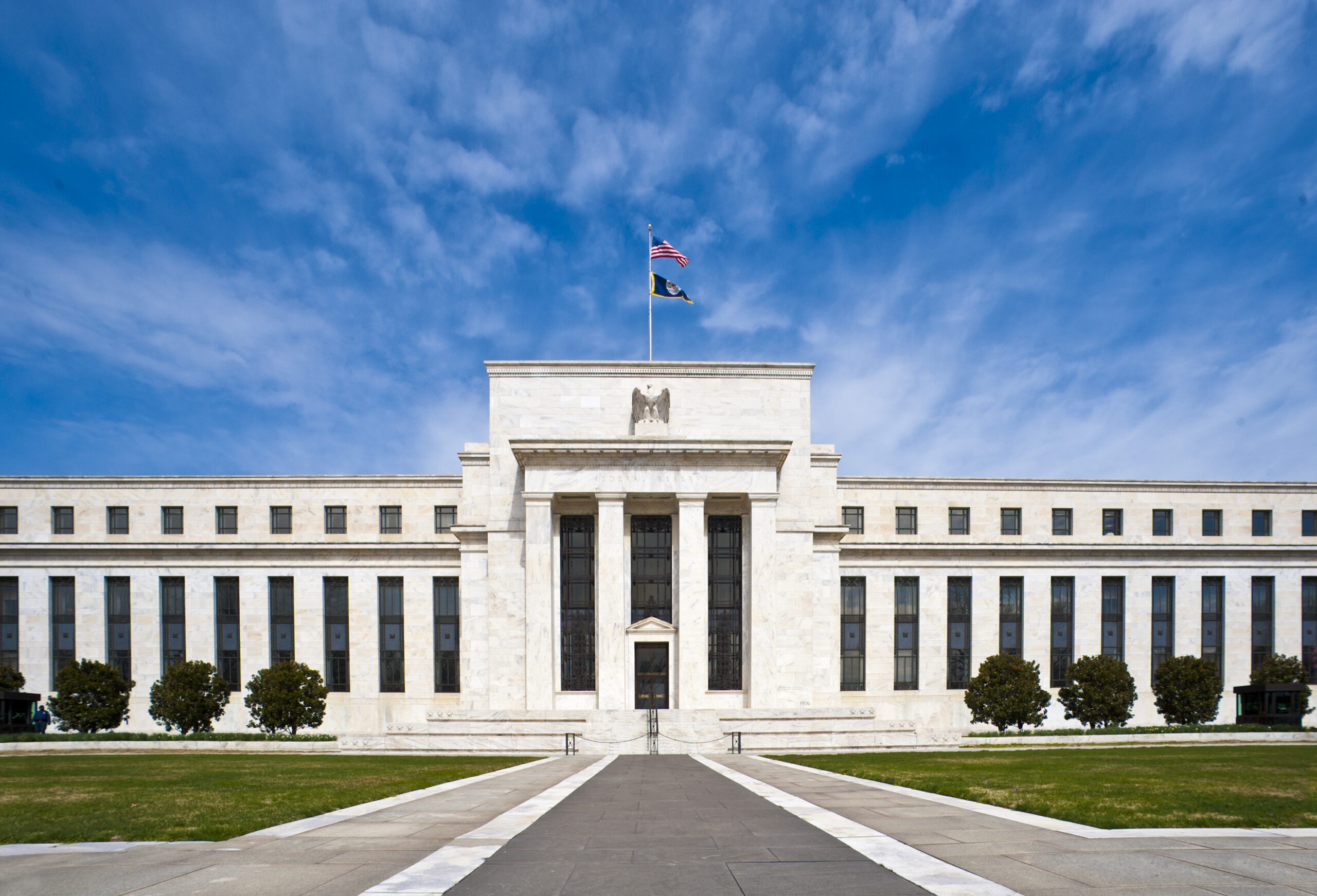
The era of steadily easier money has hit a sharp turn. The U.S. Federal Reserve raised its benchmark interest-rate range by a quarter percentage point on September 16, lifting the federal funds target to 3.75%–4.00%. It was the first Fed rate increase since July 2023 — and for households already squeezed by housing, energy and everyday costs, the consequences could show up well beyond Wall Street.
The decision was unanimous. In its official statement, the Federal Open Market Committee said economic activity continues to expand at a solid pace, domestic spending has remained resilient and inflation is still elevated. The central bank said the increase was intended to support a more timely return to its 2% inflation goal.
Why this is today’s money story
A quarter-point move can sound technical and small. Its importance is much larger because the federal funds rate sits near the center of the U.S. credit system. Monetary-policy changes filter through to the rates households and businesses pay on loans and the rates financial institutions pay on deposits, as the Federal Reserve has explained.
The impact began moving quickly. Reuters reported that major U.S. banks including JPMorgan Chase, Bank of America, Citigroup and Wells Fargo raised their prime lending rate from 6.75% to 7% after the Fed decision. That matters because prime-linked borrowing can reprice rapidly.
Credit cards and variable-rate debt: the fastest pressure point
For consumers, variable-rate borrowing is among the most direct channels. Many credit-card annual percentage rates are linked, directly or indirectly, to benchmark rates such as prime. When those benchmarks rise, carrying a balance can become more expensive.
The effect on any individual account depends on its contract, billing cycle and issuer, so borrowers should not assume every rate rises by exactly 0.25 percentage point on the same day. But the direction of pressure is clear: a renewed tightening cycle makes expensive revolving debt even harder to ignore.
For households carrying balances, the practical priority is less about predicting the Fed’s next meeting and more about checking the actual APR, avoiding new high-cost debt where possible and directing extra repayments toward the most expensive balances first. Consumers considering balance transfers or consolidation should compare fees and total repayment costs, not just promotional headline rates.
Mortgages: the Fed matters, but it does not set your mortgage rate
The mortgage story is more complicated. The Fed does not directly set 30-year fixed mortgage rates. Those rates are influenced heavily by longer-term Treasury yields, inflation expectations, economic growth and investor demand for mortgage-backed securities.
That distinction is important now. Fixed mortgage rates can rise before a Fed decision if bond markets expect tighter policy, and they can sometimes fall even after a hike if investors believe the central bank is becoming more credible on inflation.
For would-be homebuyers, however, the broader environment remains difficult: higher financing costs reduce purchasing power, while existing owners with low fixed rates may have little incentive to move. Borrowers with adjustable-rate mortgages face more direct exposure when their loans reset, depending on the index and terms specified in their contracts.
Savers could get one consolation prize
Higher policy rates are painful for borrowers but can be beneficial for savers. Banks and other financial institutions may offer more attractive yields on savings accounts, money-market products and certificates of deposit when market rates are elevated.
That benefit is not automatic. Deposit rates vary widely and banks do not have to pass every Fed increase to customers. Savers should compare annual percentage yields, withdrawal restrictions, insurance coverage and fees rather than assuming their existing account will become more competitive.
Why the Fed changed direction
The bigger story is inflation. The Fed’s September statement said inflation remains elevated even as economic activity expands at a solid pace. That combination gives policymakers room to lean against price pressures without responding to an obvious recession.
The move also reverses the direction of recent policy. The Fed cut rates three times in late 2025, bringing the target range down to 3.50%–3.75%, and then held it there before this week’s increase. The Fed’s own rate history shows this is the first increase since July 2023.
Markets are now focused on whether September is a one-off insurance move against inflation or the start of a renewed hiking cycle. Reuters reported on September 17 that 16 of 18 policymakers project at least one additional rate increase during 2026. Forecasts are not promises, however, and future decisions can change as inflation, employment, growth and geopolitical conditions evolve.
What households should watch next
Three signals now matter particularly for personal finances: inflation data, bond yields and banks’ lending rates. If inflation remains stubborn, the Fed may have less room to reverse course. If longer-term yields stay high, mortgage affordability can remain strained even without repeated Fed hikes. And if banks continue raising prime-linked rates, borrowers with revolving or variable debt may feel the impact quickly.
There is also a global dimension. Energy prices and geopolitical disruptions can lift transportation and production costs, creating inflation that central banks cannot directly fix. The Fed cannot produce more oil or repair a disrupted supply chain; it can only try to prevent an initial price shock from spreading into persistent economy-wide inflation.
The bottom line
The September rate hike is not a reason for panic, but it is a reason to reassess household finances. The most exposed borrowers are those relying on expensive variable-rate credit. Savers may find better yields. Homebuyers face a market in which both Fed policy and long-term bond yields deserve attention.
Most importantly, one rate increase does not determine the economic future. What makes this decision significant is the change in direction: after more than three years without an increase, the Federal Reserve has shown it is willing to tighten again if inflation remains too high. For millions of households, that means the cost of money is once again moving to the center of the financial conversation.
This article is for general information and does not constitute individualized financial advice.