
Updated September 6, 2026
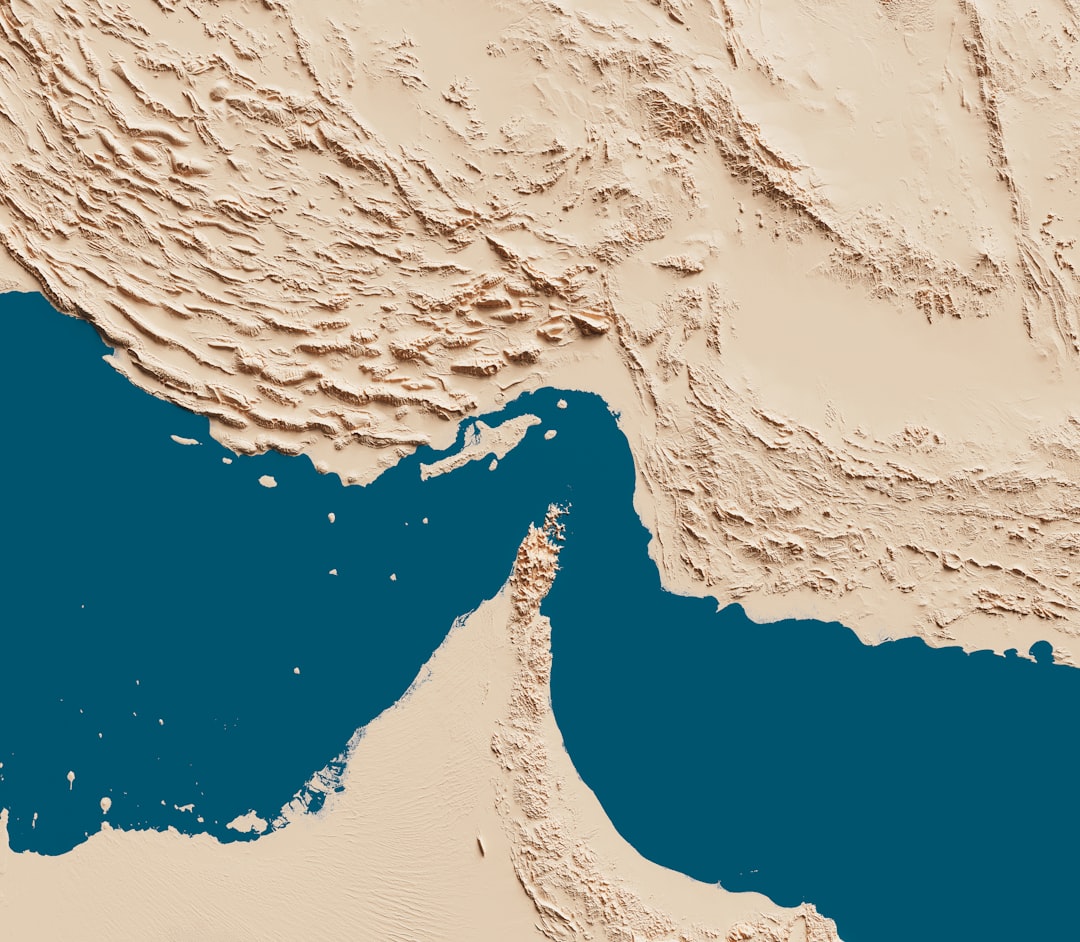
Attention across global markets is turning once again to the Strait of Hormuz, the narrow waterway connecting the Persian Gulf with the Gulf of Oman and the Arabian Sea. The route is strategically important because a significant share of internationally traded oil and liquefied natural gas moves through the area.
On September 6, Reuters reported that maritime traffic through the strait had fallen to its lowest level since May following recent U.S. and Iranian strikes involving oil tankers and warships. The report said traffic had averaged about 10 commodity vessels per day over the previous 10 days, highlighting how quickly military escalation can affect commercial shipping. Read the Reuters report.
Why the Strait of Hormuz matters
The strait sits between Iran and Oman and serves as the main maritime outlet for several major Gulf energy exporters. Its geography makes it one of the world’s most closely watched shipping chokepoints.
The Associated Press reported the same day that Iran planned to announce a new exclusion zone near the strait as tensions with the United States intensified. The development added another layer of uncertainty for vessels attempting to move through the area. Read the Associated Press report.
For consumers far from the Middle East, the consequences of a serious disruption could still be felt through energy markets. Higher crude-oil prices can eventually affect gasoline, diesel, aviation, transportation and manufacturing costs, although the size and duration of any impact depends on how events develop.
Markets are watching for disruption, not just headlines
There is an important distinction between political or military tension and an actual sustained interruption to energy flows. Markets can react sharply to breaking developments, but longer-lasting price effects generally depend on whether production, ports, pipelines or shipping routes are materially affected.
Reuters also reported on September 6 that OPEC+ had decided to keep its oil-output policy unchanged for October, even as geopolitical tensions continued to affect supply routes and market expectations. Read the Reuters OPEC+ report.
What to watch next
The key indicators are the safety and movement of commercial vessels, official navigation warnings, changes in shipping-insurance costs, oil and natural-gas prices, and any diplomatic or military developments that could either widen or reduce the risk of confrontation.
Another important factor is whether energy exporters can use alternative pipelines and terminals to bypass part of the maritime route. Those alternatives can reduce some pressure, but they do not fully replace the strategic importance of the strait.
Why this matters beyond the Middle East
The economic impact of a major energy shock would not remain confined to the Gulf. Europe and Asia are directly exposed to global energy prices, while North American consumers and businesses can also feel changes through globally traded oil, transportation costs and financial markets.
For now, the most important issue is whether tensions translate into a measurable and sustained disruption of shipping or energy supplies. That is the development that could turn a regional security crisis into a much broader global economic event.
Sources
- Reuters — Hormuz traffic dips to lowest since May after U.S., Iranian strikes on ships
- Associated Press — Iran says it plans to announce a new exclusion zone near the Strait of Hormuz
- Reuters — OPEC+ keeps oil output policy unchanged for October
This article is for general news and informational purposes. Information may change as events develop, and major claims should be checked against the linked original reports.