
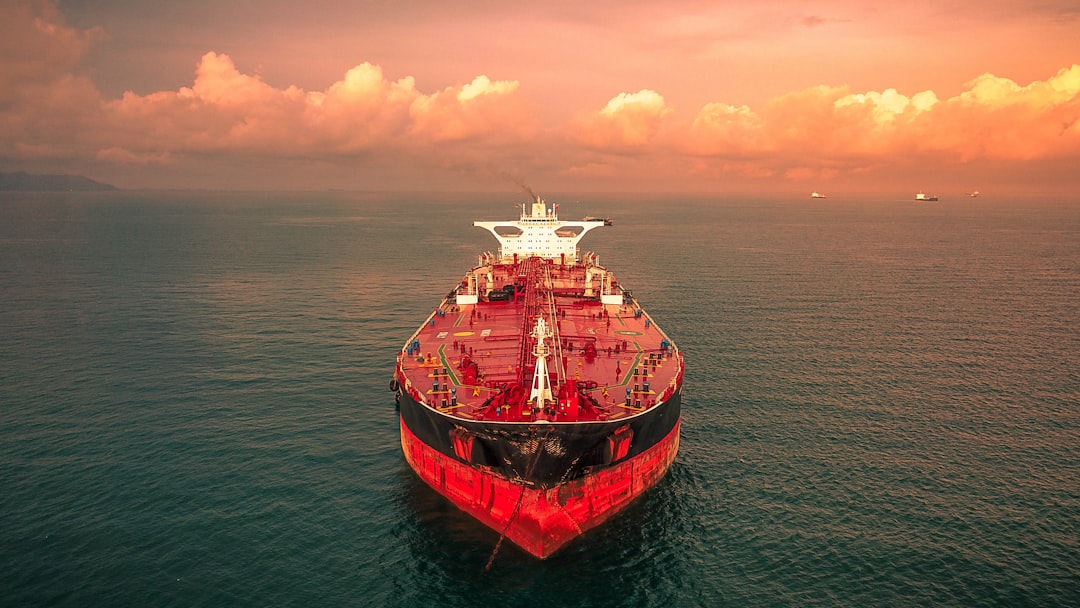
A projectile has reportedly struck a vessel moving through the Strait of Hormuz, adding a new layer of danger to an energy crisis that is already reaching far beyond the Middle East.
The immediate story is a maritime attack. The bigger story is what happens next to ordinary people who have never been anywhere near the Strait of Hormuz.
Reuters reported Sunday that the UK Maritime Trade Operations received a report of a projectile hitting a vessel in the strait. Damage and the condition of the crew were initially unclear. The report came after Saudi Arabia temporarily shut its East-West oil pipeline following a drone attack, adding pressure to alternative routes used while passage through Hormuz has been severely disrupted.
Why should people thousands of miles away care?
Because energy does not stay at the gas station. Oil prices feed into trucking, aviation, manufacturing, plastics, fertilizers and the cost of moving food and consumer goods. When transport and insurance become more expensive, those costs can eventually travel through supply chains to households.
The Saudi East-West pipeline has recently been carrying roughly 4 million to 5 million barrels per day, according to Reuters — equivalent to around 4% to 5% of global oil supply. Its importance has grown as the conflict has restricted the normal flow through Hormuz.
The impact is also not limited to giant corporations. UN Trade and Development warned this week that higher energy, shipping, insurance and financing costs could hit smaller businesses especially hard. Those firms account for about 70% of global employment and roughly half of global GDP.
The uncomfortable controversy: has energy become a weapon?
That is where this story becomes more than another battlefield update. The Strait of Hormuz is one of the world’s most consequential energy chokepoints. Control, access and security around it can influence prices paid by people who have no say in the conflict.
Iran wants its control over the strait recognized and seeks the ability to collect fees from ships using it, while Washington rejects that position, Reuters reported. An Oman-hosted meeting involving Iran and Gulf Arab states is expected to discuss the strait, but expectations for an immediate breakthrough appear limited.
The political argument is explosive: should any regional power be able to use access to a globally critical shipping route as leverage? The opposing argument is that states bordering strategic waterways will inevitably assert security and sovereignty interests, particularly during war.
What makes the debate urgent is that consumers, workers and small businesses can end up absorbing the consequences long before diplomats reach an agreement.
This could become a cost-of-living story
Brent crude has already moved back above $100 a barrel during the widening conflict, Reuters reported. If attacks continue or alternative export routes become unreliable, markets may price in still more risk.
That does not mean every product will suddenly become more expensive tomorrow. Retail prices depend on many factors, and oil markets can reverse quickly. But sustained disruption can filter through transportation and production costs — exactly the kind of pressure households notice in fuel, travel and eventually the price of goods.
The question that matters
The latest ship attack may eventually be remembered as one incident in a much larger conflict. Or it could mark another step toward a world in which strategic waterways, pipelines and energy infrastructure become increasingly powerful bargaining chips.
If a conflict thousands of miles away can change what millions of families pay to drive, travel, heat their homes or buy groceries, is control of global energy routes still a regional issue — or a global one?
Top New Trends will continue following developments in the Strait of Hormuz and their impact on energy prices, businesses and consumers.