A new United Nations finding has placed both Washington and Tehran under unusually direct international scrutiny, alleging grave violations on opposite sides of Iran’s widening conflict: possible war crimes by U.S. forces and crimes against humanity by Iranian authorities.
The Independent International Fact-Finding Mission on Iran said on September 17 that it had reasonable grounds to believe U.S. forces were responsible for two strikes on civilian sites in Iran in February and that the attacks amounted to war crimes. The same mission concluded that Iranian authorities committed crimes against humanity during a crackdown on anti-government protests.
The findings are allegations and legal conclusions by an independent UN investigative mission, not judgments by a criminal court. Neither the United States nor Iran had immediately responded to Reuters requests for comment on the new report. U.S. officials have previously said American military operations comply with the law of armed conflict, while Iran has repeatedly rejected accusations that it systematically violates human rights.
A school strike at the centre of the report
The most consequential finding concerns the Shajareh Tayyebeh Primary School in Minab, southern Iran. According to the UN mission, more than 150 people were killed there, including around 120 schoolchildren, based on Iranian official figures cited in the investigation.
The mission said U.S. forces relied on intelligence suggesting a senior Iranian military commander was at the site but failed to adequately verify the information before the strike. Investigators said they found no evidence that the school was being used for military purposes and concluded that the attack was indiscriminate.
The civilian toll at Minab had already triggered international concern months earlier. In March, the UN human-rights office called for a prompt, impartial and thorough investigation into the school attack and stressed that civilians and civilian objects are protected under the laws of war. A subsequent UN humanitarian update documented the severe impact of airstrikes on children, health services and civilian infrastructure across Iran.
President Donald Trump said in June that nobody had intentionally attacked a girls’ school and referred to an investigation into the incident. Reuters previously reported that an initial internal U.S. military investigation indicated American forces were likely responsible. The Pentagon later elevated the investigation, but preliminary findings have not been publicly released.
A second strike under scrutiny
The fact-finding mission reached a similar conclusion about an attack on a sports centre in Lamerd. According to the report as described by Reuters, the strike damaged nearby residential buildings and a school and killed or injured 22 civilians. Investigators concluded that the attack was indiscriminate and therefore constituted a war crime.
U.S. Central Command said in March that American forces had not carried out strikes in Lamerd on the day in question. That denial now sits alongside the UN mission’s contrary finding, making the underlying evidence and any eventual U.S. investigation particularly important.
The report also turns sharply toward Tehran
The mission’s conclusions are not limited to foreign military action. Investigators said Iranian authorities carried out a widespread and systematic attack against civilians during protests that began in late December, involving alleged unlawful killings, torture, arbitrary detention, enforced disappearances and severe restrictions on freedom of expression.
The mission said it could not independently verify the overall death toll. Iranian official figures cited by Reuters put the toll at 3,038 people killed and 25,000 injured, while the UN investigators said they believed the true numbers were likely significantly higher.
Iran has blamed violence during the unrest on terrorists, rioters and foreign-backed opponents. The UN mission, however, said the state response — including lethal force, internet restrictions and use of the death penalty — represented a significant escalation in the repression of dissent.
Why the findings matter beyond Iran
The political significance of the report lies partly in its even-handed legal focus. It scrutinizes the conduct of a major military power while simultaneously documenting alleged abuses by the government whose territory was attacked. That distinction matters because international humanitarian law and international human-rights law impose obligations regardless of which side claims a broader political or security justification.
The report also arrives while the consequences of the Iran conflict extend well beyond Iran’s borders. Earlier UN reporting said hostilities had affected multiple states across the Middle East and damaged homes, businesses, airports and energy infrastructure. That wider regional dimension raises the stakes of any finding that civilian-protection rules were ignored or inadequately applied.
For Washington, the immediate question is whether its military investigations will publicly address the evidence identified by UN experts, particularly the targeting process behind the Minab strike. For Tehran, the report intensifies long-running international scrutiny of how the state treats protesters, detainees and political opponents.
Accountability remains the unresolved question
A UN fact-finding mission can document evidence, establish findings and recommend accountability measures, but it does not itself conduct criminal trials. The new conclusions therefore do not automatically produce prosecutions or legal penalties.
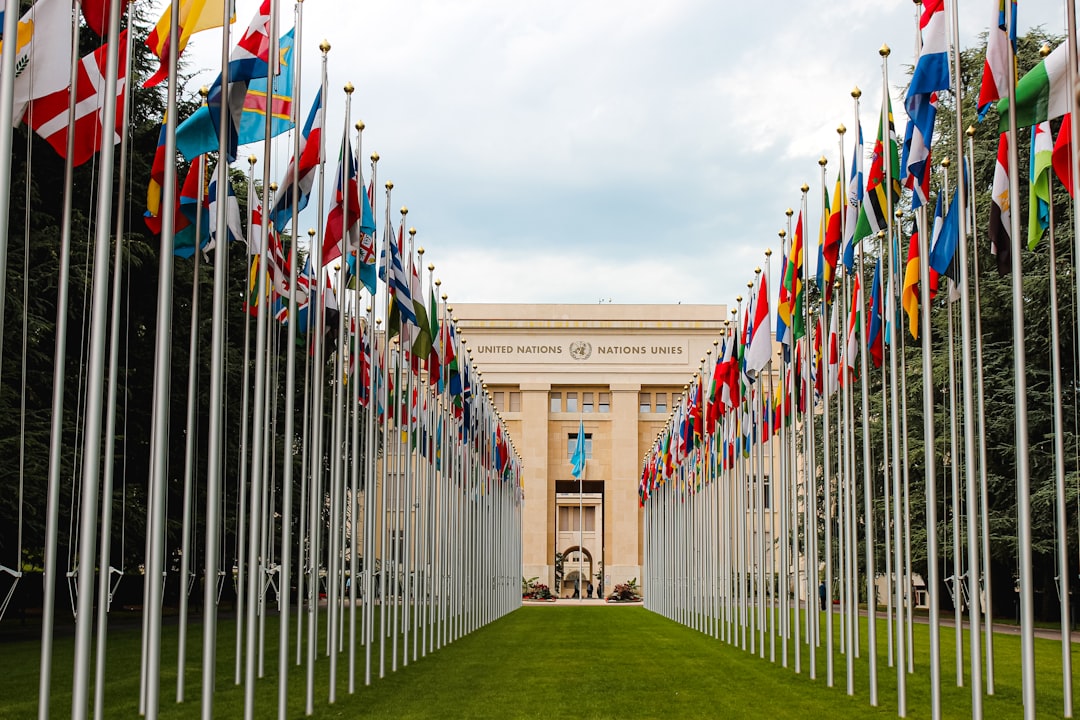
What they can do is preserve evidence, sharpen diplomatic pressure and influence future investigations. The mission’s report is expected to be submitted to the UN Human Rights Council in Geneva, placing the allegations before governments at a moment when the region remains under intense military and political strain.
The central issue is broader than the competing narratives of Washington and Tehran. The report asks whether the rules designed to protect civilians can still constrain states during a rapidly escalating war — and whether credible accountability follows when investigators conclude those rules may have been breached.