Italy is preparing a school-integration package that combines three politically explosive ideas: banning full-face veils in schools, limiting the concentration of foreign students in individual classrooms and requiring some parents to learn Italian.
Prime Minister Giorgia Meloni announced the plan on September 20 at a youth gathering organized by her Brothers of Italy party. The details matter. According to reports from Reuters and The Associated Press, the clothing restriction would apply to the burqa and niqab, which cover the face; it would not prohibit the hijab, which covers the hair while leaving the face visible.
The proposal is not yet law. The government has not published the final classroom cap or a complete enforcement system, and any measure approved by the cabinet would still need parliamentary approval. That uncertainty is important because the legal and practical consequences will depend on definitions, exemptions and how schools are expected to comply.
What Italy is actually proposing
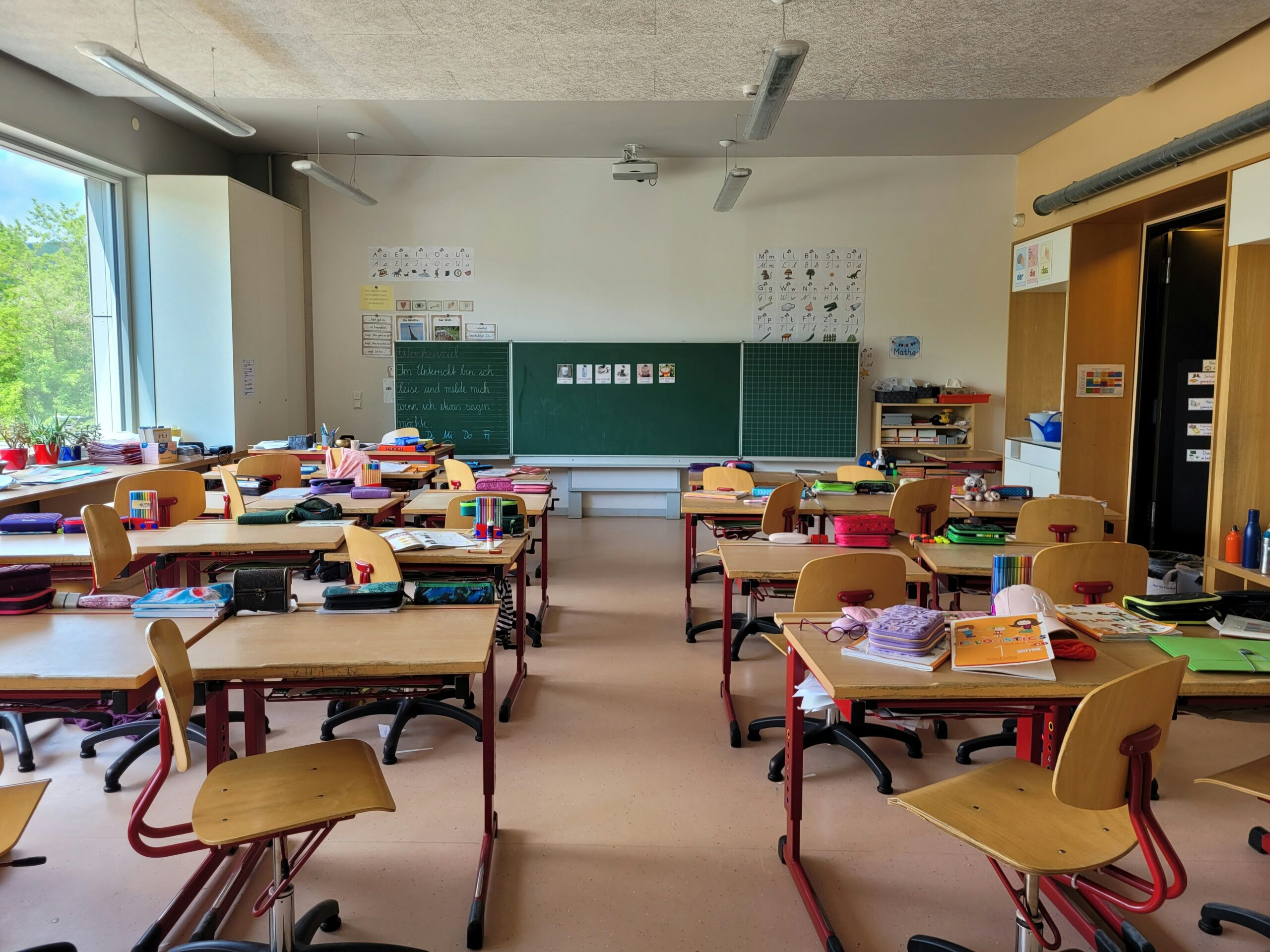
The package has three distinct parts. First, students and other people in schools would be barred from wearing garments that conceal the face. Second, the state would set a ceiling on the number of foreign students placed in a single class. Third, parents of children struggling to integrate could be required to take Italian-language instruction.
Meloni has presented these measures as parts of one integration strategy: people should be identifiable in school, children should not be concentrated in classrooms where Italian is rarely spoken, and families should be able to communicate with teachers and public institutions.
Supporters can make a straightforward case for the language and distribution policies. A classroom in which many newly arrived pupils are simultaneously learning the language can put pressure on teachers and slow instruction if the school receives no additional support. Distributing students more evenly may help them form relationships outside their immediate linguistic community. Helping parents learn Italian can also make it easier for families to understand school rules, attend meetings and assist with homework.
But combining those policies with a face-veil ban also changes the public meaning of the package. It turns a debate about staffing, language support and school placement into a larger argument about Islam, national identity and the limits of religious expression.
A national average can hide local pressure
About 11.6% of pupils in Italian schools are non-citizens, Reuters and AP reported. That national figure does not tell officials how students are distributed. Some communities and urban districts have much higher concentrations, while many schools have few immigrant pupils at all.
This is where a national cap becomes difficult. If a neighborhood has a large immigrant population, enforcing a strict ceiling could require children to travel farther from home, separate siblings or place additional pressure on nearby schools. A rule based on citizenship could also count children born and raised in Italy as “foreign” even when Italian is their strongest language. Conversely, a newly arrived child who has obtained citizenship might need significant language help but fall outside the category.
That means the central policy question is not simply whether mixed classrooms are desirable. It is whether citizenship is a useful measure of a child’s educational needs—and whether the government will pay for the teachers, transport and language specialists required to make redistribution work.
The face-veil question is narrower—and more symbolic
Full-face veils are far less common than ordinary headscarves, yet they occupy a large place in European politics. Governments commonly cite identification, security, communication and social cohesion. Opponents argue that broad bans can punish the women they claim to liberate, restrict religious freedom and make a small minority feel excluded from public life.
Italy has been moving toward a broader restriction for some time. In October 2025, Brothers of Italy lawmakers introduced a bill that would prohibit burqas and niqabs in public places and impose fines, while also tightening oversight of religious funding. Reuters reported that the legislation was framed as a response to “cultural separatism.” That bill, too, should not be confused with a law already in force.
European courts have previously allowed governments considerable room to regulate face coverings. In the 2014 S.A.S. v. France judgment, the European Court of Human Rights upheld France’s general ban, while acknowledging that it interfered with private life and freedom of religion. The ruling did not establish that every restriction in every setting is automatically lawful. Proportionality, purpose and implementation still matter.
The line between integration and assimilation
Integration normally asks how newcomers can participate fully in a shared civic life while remaining free to preserve lawful religious and cultural practices. Assimilation asks for something more: visible differences should recede in favor of a dominant national norm.
Italy’s language measures can fit comfortably within an integration model if classes are accessible, practical and supportive. A face-veil ban rests on a different principle: the state is deciding that one form of religious dress is incompatible with the school environment. The student cap sits between the two. It could reduce isolation if implemented with care, or it could stigmatize children as a problem to be dispersed if implemented mechanically.
The government will therefore need to answer concrete questions. Will the classroom ceiling apply to citizenship, place of birth or language ability? Will children from other European Union countries count? What happens in towns where every nearby school is above the limit? Who pays for transport? Are there exceptions for students who have attended Italian schools for years? What appeal process will families have?
What would success look like?
A serious integration policy should be judged by measurable educational outcomes rather than the strength of its symbolism. Are language skills improving? Are attendance and graduation rates rising? Are teachers receiving additional resources? Are parents participating more often? Are students forming relationships across cultural lines without being pushed out of their local communities?
If the policy produces those results, the government will have evidence that it addressed a real classroom problem. If it mainly generates headlines about clothing while leaving schools short of teachers and language specialists, it will deepen the very division it claims to solve.
Italy’s debate is consequential because other European governments are asking similar questions. The outcome will not settle where Europe draws the line between common civic rules and religious liberty. But it may show whether governments can turn the language of integration into workable school policy—or whether children will carry the burden of a culture war designed by adults.