
El Niño is no longer a distant weather forecast. Across Asia, governments, farmers and food companies are beginning to plan for a climate shock that could weaken harvests, strain water supplies and eventually raise grocery bills far beyond the region.
The danger is not that every crop will fail or that food prices are certain to surge. The more serious point is that several risks are now arriving together: an intensifying El Niño, expensive energy and fertilizer, fragile trade routes and limited financial room in many lower-income countries. That combination can turn a poor rainy season into a wider food-security problem.
The World Meteorological Organization said on September 3 that El Niño was set to become very strong, with its consensus forecast showing the phenomenon firmly established through the September-to-November period. The event typically reaches its greatest strength late in the year, meaning the full economic impact may not be visible until crops are harvested, reservoirs fall and governments begin adjusting imports.
Why Asia is at the centre of the risk
El Niño begins with unusually warm water in the central and eastern tropical Pacific, but its consequences travel through the atmosphere. Trade winds weaken, rainfall patterns shift and some regions become hotter and drier while others face heavier rain. NOAA explains that these episodes usually last nine to 12 months, though they can persist longer, and can affect weather, wildfires, ecosystems and economies worldwide.
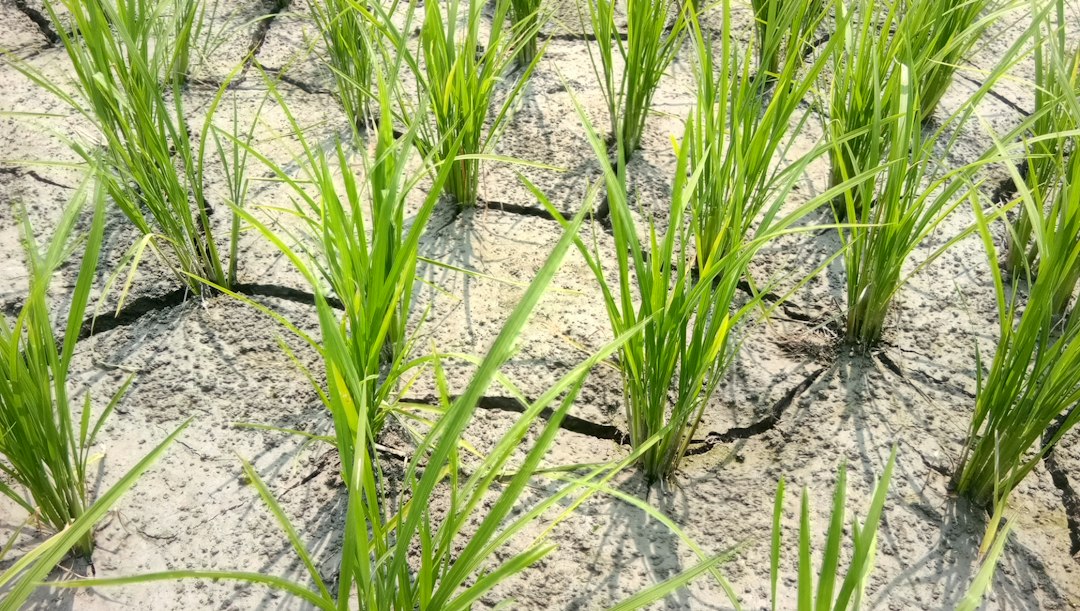
For parts of South and Southeast Asia, the central concern is drought and unreliable monsoon rainfall. Rice paddies, palm-oil plantations and small farms depend on predictable water at specific stages of the growing cycle. Heat can also reduce yields, increase irrigation demand and expose farm workers to dangerous conditions. Lower river levels can disrupt transport and hydropower, adding energy and logistics costs to the price of food.
A recent Associated Press assessment described declining rainfall, falling water levels and growing risks to agriculture and fisheries across the region. These early warning signs do not prove that a global shortage is coming, but they make the next several months unusually important.
The food-price chain reaches far beyond the farm
Asia supplies a large share of the rice and palm oil traded internationally. A production shortfall in one country can be absorbed through reserves or imports. Trouble becomes more serious when several exporters are hit at once—or when governments respond by restricting exports to protect domestic consumers.
The transmission from weather to supermarket prices is rarely immediate. First come weaker yields or expectations of weaker yields. Commodity traders and importers then adjust contracts, governments release stockpiles or purchase more grain abroad, and currencies influence the local cost of those imports. Shipping, fuel, processing and retail margins determine how much of the increase finally reaches households.
Some governments are already moving. Indonesia has extended a programme distributing almost one million metric tons of rice through December to support more than 33 million lower-income households, Reuters reported on September 8. In Malaysia, the securities regulator plans to ask major listed companies how they are preparing for El Niño, with particular concern around the country’s economically important palm-oil sector, according to a September 18 Reuters report.
Those measures reveal the scale of the concern without proving the worst-case scenario. Food reserves, diversified suppliers and targeted aid can reduce the shock. Poor planning, sudden trade restrictions or panic buying can amplify it.
A humanitarian threat before it becomes an inflation story
For wealthy consumers, the first visible effect may be a higher grocery bill. For families already spending most of their income on food, the same increase can mean smaller meals, debt or children leaving school to work.
The World Food Programme warned in August that the current El Niño could become one of the strongest on record. Its scenario analysis projects that 274 million people in 45 countries could face acute food insecurity by the end of 2027—49 million more than today—with Asia and the Pacific potentially accounting for an additional 8.2 million people. These are forecasts, not confirmed outcomes, and they depend heavily on the event’s strength, geographic pattern and policy response.
That distinction matters. Dramatic projections can encourage early action, but they should not be presented as inevitable. El Niño does not affect every region in the same way, and weather is only one part of food pricing. Inventories, exchange rates, trade policy, conflict and consumer demand can either soften or worsen the outcome.
The economic pressure could spread through energy and inflation
The latest Asian Development Outlook forecasts 5.0% growth across developing Asia and the Pacific in 2026 and 5.1% in 2027. But the Asian Development Bank identifies a very strong El Niño and prolonged energy-market disruption as two major downside risks. It warns that drought and monsoon failure could reduce agricultural production, hydropower generation and some mining output.
Those pressures can reinforce each other. Less hydropower may increase demand for oil and gas just as energy markets are already tight. Higher fuel prices raise the cost of irrigation, fertilizer, trucking and refrigeration. Central banks then face an uncomfortable choice: tolerate another burst of inflation or keep borrowing costs higher for longer, slowing investment and household spending.
Still, consumers should be wary of claims that El Niño alone will automatically cause an enormous food-price surge. A September 17 UK government assessment said estimates that British food prices could double were based on limited evidence and noted that the 2023 event had little discernible effect on UK food prices. The warning is useful beyond Britain: global headlines do not translate evenly into national grocery bills.
What to watch next
The clearest indicators over the coming months will be rainfall and reservoir levels in major growing regions, official crop forecasts, rice and palm-oil export policies, and the pace at which governments release reserves or expand food assistance. Wildfire activity and restrictions on industrial water use will also show whether the event is moving from forecast to economic disruption.
Early preparation can materially change the result. The World Food Programme says anticipatory measures—cash support, food procurement, irrigation protection and disaster financing—can cost far less than emergency relief after crops fail. Businesses can map vulnerable suppliers, while governments can publish transparent reserve data and direct help toward households most exposed to food inflation.
El Niño’s next phase will not produce one simple global outcome. Some regions may face drought, others floods, and some may escape major damage. But Asia’s central role in the world’s food system means the risk cannot be treated as a local weather story. If harvests weaken across several major producers at the same time, the consequences will travel—from fields and rivers to trade policy, inflation decisions and family kitchens around the world.