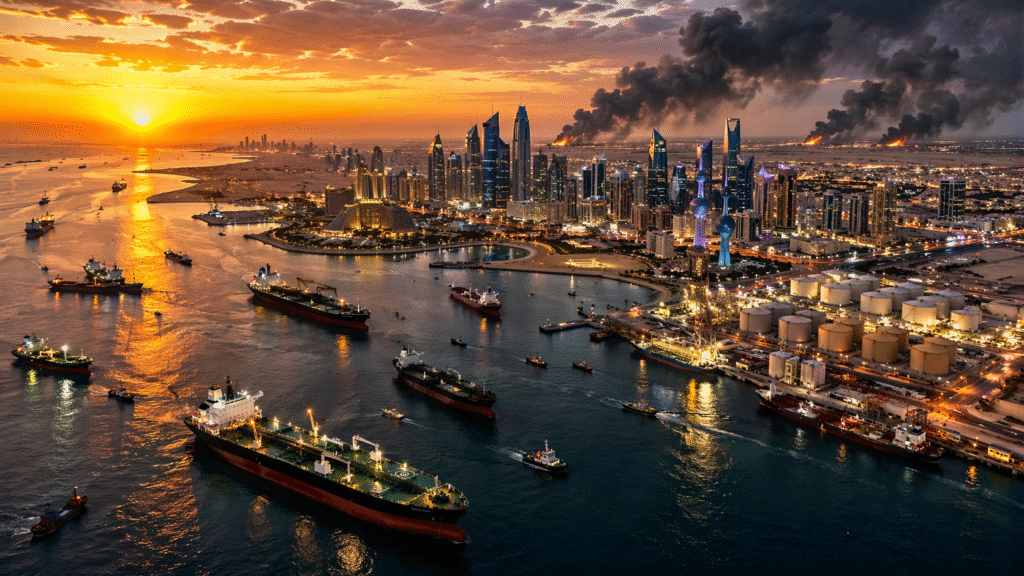
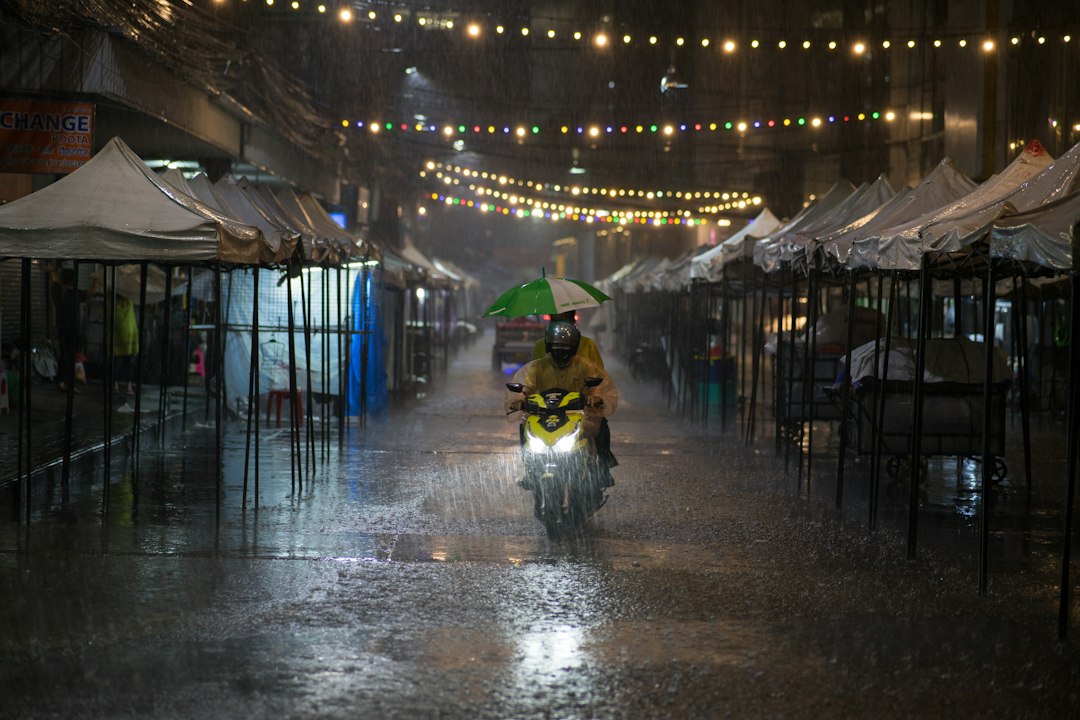
Deadly floods and landslides have struck a broad arc of Asia, killing at least 78 people across India, Nepal and Thailand while forcing thousands into shelters and disrupting homes, power systems, roads and businesses.
The emergencies are geographically separate, and no single weather system explains all of them. Together, however, they show the same dangerous pattern: extreme rain is colliding with exposed settlements, overloaded drainage, vulnerable mountain slopes and infrastructure that can fail far beyond the place where the water first rises.
In India and Nepal, the immediate danger is still measured in lives lost and people missing. In Bangkok, the scale is visible in flooded neighbourhoods, hundreds of thousands of affected households and damage already estimated in the hundreds of millions of dollars. The common question is no longer whether Asian cities and rural districts face severe floods, but whether governments can adapt fast enough to prevent heavy rain from repeatedly becoming a mass-casualty and economic crisis.
India and Nepal count the dead as rivers keep rising
Heavy rain and storms killed 56 people in India and 14 in Nepal by Sunday, September 27, according to Reuters. Nepalese authorities reported another 11 people missing and warned of possible flash floods in 49 of the country’s 77 districts.
India’s Uttar Pradesh state received 66.5 millimetres of rain between September 25 and the morning of September 27—nearly nine times the 7.6 millimetres considered normal for that period, the state relief commissioner told Reuters. More than 1,000 houses were damaged and 46 people were injured.
The danger extends beyond individual communities. India’s Central Water Commission said 30 monitoring stations across seven states indicated a “severe situation.” Major rivers including the Ganga, Gandak, Kosi, Bagmati and Narmada rose above danger levels, increasing the risk that flooding could travel downstream even after local rainfall eases.
In Nepal, power was completely disrupted in four districts, and flooding damaged a 40-megawatt hydropower project and transmission towers. Telecommunications also failed in some areas after damage to power supplies and optical fibre lines. Nepal’s official BIPAD disaster-information portal recorded repeated flood, heavy-rain and road-closure alerts on September 27 across multiple districts.
Those failures matter because disasters compound one another. A washed-out road delays rescue crews. A power outage interrupts water pumping and communications. A damaged phone network makes it harder to warn people downstream. A flood can therefore turn from a local emergency into a regional logistics crisis.
Bangkok’s drainage system meets an extraordinary volume of water
Farther southeast, Thailand’s floods had killed at least eight people and affected more than 580,000 homes across 41 provinces since September 16. In Bangkok, 5,901 people had moved into 234 evacuation centres by Monday, while more than 80,000 residents in flooded areas were unable to leave their homes, according to Reuters’ September 28 report.
The capital received about 320 millimetres—12.6 inches—of rain over two or three days, nearly as much as it normally receives during the entire month of September. Water swamped drainage networks and inundated neighbourhoods, leaving residents to wade through waist-deep water for essentials.
Bangkok’s own road-flood monitoring system showed 52 stations reporting flooding early on September 27. East of the capital, authorities ordered further evacuations in Rayong province after two reservoirs exceeded capacity.
Initial nationwide losses were estimated at at least 11 billion baht, or approximately $327 million, with economists warning that the figure could rise. One estimate cited by Reuters projected the disaster could reduce Thailand’s annual economic growth by 0.3 percentage points.
That national exposure is unusually concentrated. A World Bank assessment published this month says Bangkok generates close to half of Thailand’s economic output. When transport, shops, factories and workers in the capital cannot function, the impact spreads through supply chains and public finances well beyond flooded streets.
Why the same rainfall can produce very different disasters
Rainfall alone does not determine the toll. In mountain regions, saturated slopes can collapse with little warning, while narrow valleys can accelerate flash floods. In dense cities, paved surfaces prevent water from soaking into the ground, construction can block natural drainage, and settlements may expand into low-lying areas because safer land is too expensive.
Bangkok faces an especially difficult combination. It sits on a river delta only about 1.5 metres above sea level, and parts of the city are sinking by several millimetres a year. Land subsidence, caused in part by long-term groundwater extraction, raises the relative threat from floods and future sea-level rise.
The United Nations Economic and Social Commission for Asia and the Pacific describes subsidence as a “silent crisis” that can intensify flooding, storm surges and infrastructure damage. Its regional initiative on sinking cities identifies Bangkok’s phased groundwater-management programme as an important response, but the present flooding shows that controlling subsidence is only one part of the challenge.
It is scientifically inappropriate to attribute a particular flood to climate change without a dedicated analysis. The immediate causes include rainfall patterns, local geography, reservoir conditions, drainage capacity and land use. The broader risk is clearer: a warmer atmosphere can hold more moisture, while fast urban growth places more people and assets in harm’s way. Governments must prepare for extremes that historical averages may no longer describe reliably.
Warnings help only when people can act on them
All three countries have monitoring and alert systems. Those systems can save lives, but a warning is not the same as protection. Residents also need a safe route, transportation, a place to shelter, information they understand and confidence that an evacuation order is credible.
Poverty makes every step harder. People living in informal settlements may fear losing possessions or their homes if they leave. Daily-wage workers can lose income immediately. Older people, children and residents with disabilities may be unable to move without help. Rural families can face the destruction of crops, livestock and tools even when they survive.
That is why flood policy cannot be limited to larger pumps and higher walls. It also requires protected wetlands, drainage maintenance, slope stabilization, safer housing, resilient power and communications, evacuation planning and financial support that reaches people quickly.
UN ESCAP has urged Asian cities to become more “sponge-like” by creating spaces that absorb and temporarily store water rather than trying only to move it away through concrete channels. Parks, restored waterways, permeable surfaces and retention areas cannot eliminate extreme floods, but they can reduce the speed and volume of runoff.
The recovery will last longer than the headlines
The immediate priorities are search and rescue, food, clean water, medical care and restoring access. The longer test will begin after water recedes: whether damaged homes are rebuilt in the same exposed places, whether drainage and river management improve, and whether governments publish enough data to learn from the failures.
Officials will also need to guard against secondary risks including contaminated drinking water, mosquito-borne disease, mould, interrupted schooling and household debt. Small businesses that lose equipment or inventory may never reopen even when national economic losses appear manageable.
The floods across India, Nepal and Thailand are not one disaster. They are a simultaneous warning from different landscapes. Mountain valleys, river plains and a megacity are all showing how quickly intense rain can overwhelm systems designed for less crowded places and a more predictable climate.
For the millions living in flood-prone areas, resilience is not an abstract environmental goal. It is the difference between a severe storm and a catastrophe from which a family, a neighbourhood or an economy may take years to recover.
Sources: Reuters on India and Nepal; Reuters on Thailand; Nepal BIPAD portal; Bangkok flood-monitoring system; World Bank; UN ESCAP.