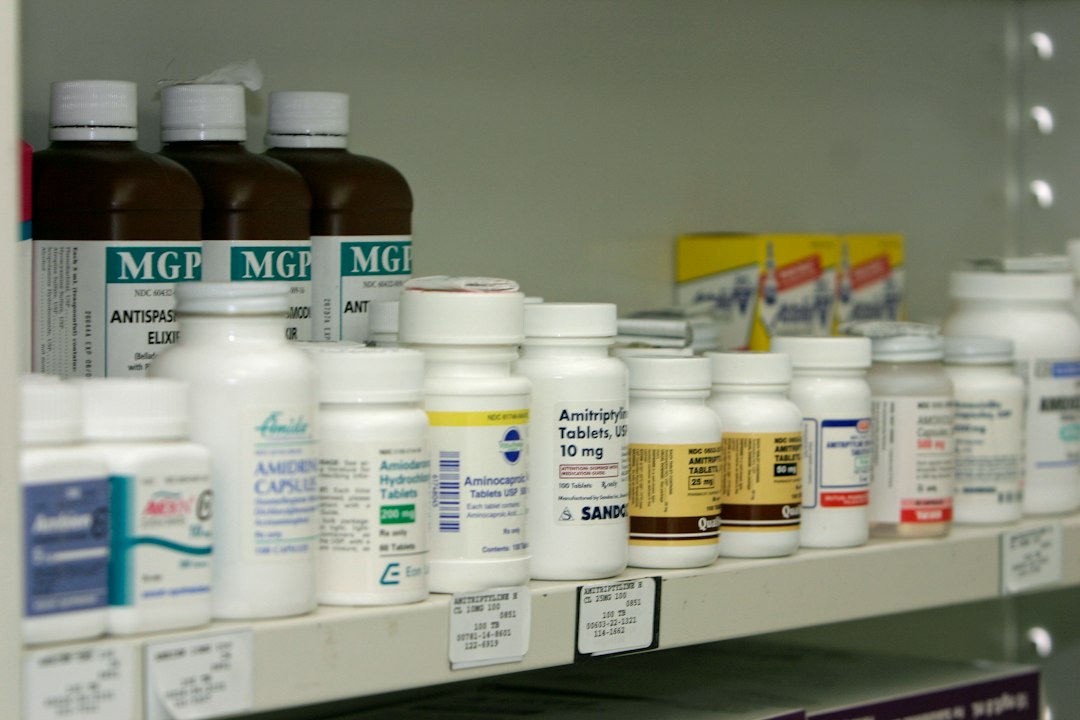
The medicine may be legally exempt from sanctions. The payment, shipping route, raw ingredient and insurance needed to put it on a pharmacy shelf are not always so simple.
That gap between formal policy and daily reality is becoming a public-health emergency in Iran. Seven months into the country’s war with the United States and Israel, patients are encountering steep price increases and growing difficulty finding some treatments. The crisis is being driven not by a single measure but by several pressures arriving at once: military damage, blocked or disrupted transport, financial sanctions, a collapsing currency, domestic inflation and longstanding weaknesses inside Iran’s health system.
Associated Press reporting published September 30 describes families searching from pharmacy to pharmacy while the price of some medicines has more than tripled. Supplies inside hospitals have generally held up better than those available to outpatients, but specialized treatments—including medicines used by people with cancer and psychiatric conditions—are becoming harder or slower to obtain.
The shortages matter far beyond an argument over sanctions policy. For patients who depend on insulin, dialysis supplies, cancer drugs or other continuous treatments, a delayed shipment is not merely an inconvenience. It can interrupt care, force a less suitable substitute or turn a manageable illness into an emergency.
A country that makes medicine still needs the world
Iran produces more than 80% of the pharmaceuticals consumed in the country, according to the AP. That figure might suggest a high degree of self-sufficiency, but it hides the global nature of modern drug manufacturing. Iranian factories still depend on imported active ingredients, specialized chemicals, packaging, machinery and replacement parts.
When maritime routes are restricted, importers may try to move urgent goods by air. Air freight is much more expensive, however, and sanctions affecting Iranian airlines can narrow that option as well. Even when a supplier is legally permitted to sell medicine, a bank, shipping company or insurer may decide that the compliance risk is too high.
This is the mechanism often described as “overcompliance”: companies withdraw from a lawful humanitarian transaction because the cost of checking every party—or the risk of an accidental sanctions violation—appears greater than the commercial reward. The result can be a shortage without any rule explicitly banning the drug itself.
War damage has compounded those obstacles. In June, the World Health Organization reported that an estimated 229 health-care centres, 49 hospitals and 78 pharmaceutical facilities, laboratories and warehouses had been damaged. The agency launched a $2 million emergency project intended to sustain essential services and reduce the risk of disease outbreaks.
Medicine is exempt. Access is not guaranteed
The United States says its sanctions framework contains broad exceptions and authorizations for humanitarian trade. The Treasury Department’s Office of Foreign Assets Control states that commercial sales of medicine and medical devices to Iran are generally allowed, subject to conditions and restrictions involving designated entities. Separate humanitarian payment channels are intended to help legitimate transactions proceed.
That distinction is important. It would be inaccurate to say that U.S. sanctions simply prohibit medicine from entering Iran. It would be equally misleading to assume that an exemption automatically creates a working supply chain.
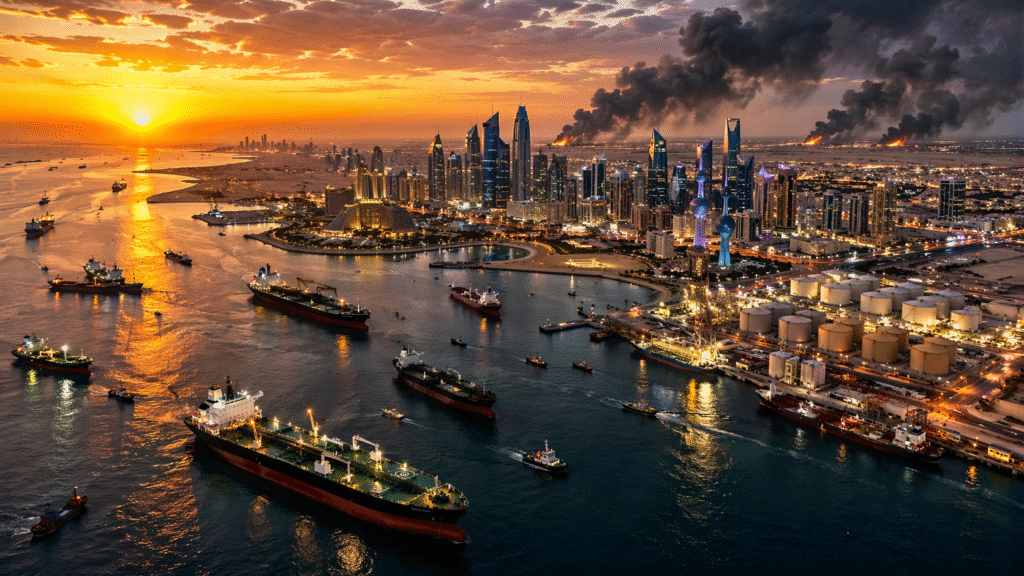
A medicine shipment still needs a willing manufacturer, a compliant bank, accessible foreign currency, transport and customs clearance. If one link fails, the exemption offers little comfort to the patient waiting at the other end. The blockade of Iranian ports and wider disruption to regional shipping have added a physical barrier to the financial one.
The WHO says conflict-related restrictions on airspace and maritime routes are obstructing humanitarian supplies and medical equipment across the region. It specifically warns that people requiring dialysis, insulin and other life-sustaining treatments are finding it harder to obtain care.
Inflation turns availability into affordability
A drug can be present in a pharmacy and still be effectively unavailable. Iran’s currency has fallen sharply during the conflict, raising the local cost of imported ingredients and finished medicines. Food, rent and transportation have also become more expensive, leaving households with less money for prescriptions.
For people with chronic illnesses, the burden repeats every month. Skipping doses, delaying appointments or switching treatments without adequate clinical supervision can create medical risks that do not immediately appear in official shortage statistics. Families may also cut other necessities to preserve access to a child’s or parent’s medication.
The Iranian government has said it is working to secure essential hospital drugs and seasonal influenza vaccines. But hospital stocks provide only one measure of resilience. Much of chronic care happens outside hospitals, where neighborhood pharmacies and patients absorb the price increases first.
Sanctions are not the only cause
The crisis also reflects internal problems that predate the current war. Iran’s pharmaceutical market has long faced price controls, smuggling, uneven distribution and debts owed by insurers to pharmacies. The AP reports that unpaid insurance claims to pharmacies have reached the equivalent of roughly $270 million.
Those domestic weaknesses complicate responsibility. Iranian authorities control procurement choices, subsidies, foreign-currency allocation and distribution. Corruption or diversion can reduce the medicine that reaches patients. At the same time, external restrictions can make every existing weakness more damaging by removing alternative suppliers and payment routes.
A neutral assessment therefore requires holding two realities together. Iran’s government bears responsibility for the performance and transparency of its health system. The countries applying military and economic pressure must also confront the predictable civilian effects when humanitarian exemptions fail to function in practice.
The pressure point in economic warfare
Sanctions are designed to create leverage without the destruction caused by direct military action. Yet their effectiveness depends partly on how much economic pain a government and population can endure. Medicine shortages reveal the most difficult boundary in that strategy: pressure aimed at a state can travel quickly into households that have little influence over national policy.
Humanitarian exemptions are meant to protect that boundary. But exemptions need operational payment channels, clear guidance for banks and carriers, rapid licensing where required and credible monitoring that prevents diversion without producing months of delay. A legal permission that businesses are afraid or unable to use is not a complete safeguard.
Iran’s actions in the wider conflict, including attacks affecting regional shipping and energy infrastructure, have also imposed serious costs on civilians beyond its borders. Recognizing the hardship of Iranian patients does not erase those actions. It establishes a basic principle: access to essential treatment should not depend on which government is winning a geopolitical argument.
What would show the crisis is easing
The clearest signs of improvement would be practical rather than rhetorical: restored maritime and air routes; banks processing verified humanitarian payments; stable access to imported pharmaceutical ingredients; repair of damaged production and storage sites; and shorter waits at ordinary pharmacies.
Independent information will also matter. Reliable lists of unavailable medicines, transparent procurement data and reporting on hospital and outpatient stocks would help distinguish temporary distribution problems from a deeper collapse. They would also make it harder for any side to use patient suffering solely as political messaging.
Until those conditions change, the pharmacy counter will remain one of the clearest places to see the human cost of the war. The conflict is being measured in missiles, shipping lanes and diplomatic proposals. For many Iranians, it is also measured in how many stores they must visit—and whether they can still afford the medicine when they finally find it.