A third American aircraft carrier heading toward the Middle East does not prove that another major strike on Iran has been ordered. It does mean Washington is assembling the ability to act quickly—and asking every government in the region to calculate what may come next.
The United States is deploying roughly 9,000 sailors and Marines aboard the USS Theodore Roosevelt carrier strike group and the USS Makin Island amphibious readiness group, according to an Associated Press report published October 2. The ships will join an unusually concentrated American naval presence as President Donald Trump weighs possible new action against Iran.
The movement is a major escalation in military readiness, but its political meaning is not yet settled. A deployment can support deterrence, protect existing forces, prepare for combat, create negotiating leverage or perform several of those functions at once. The difference will depend on orders that have not been made public.
What is actually being sent
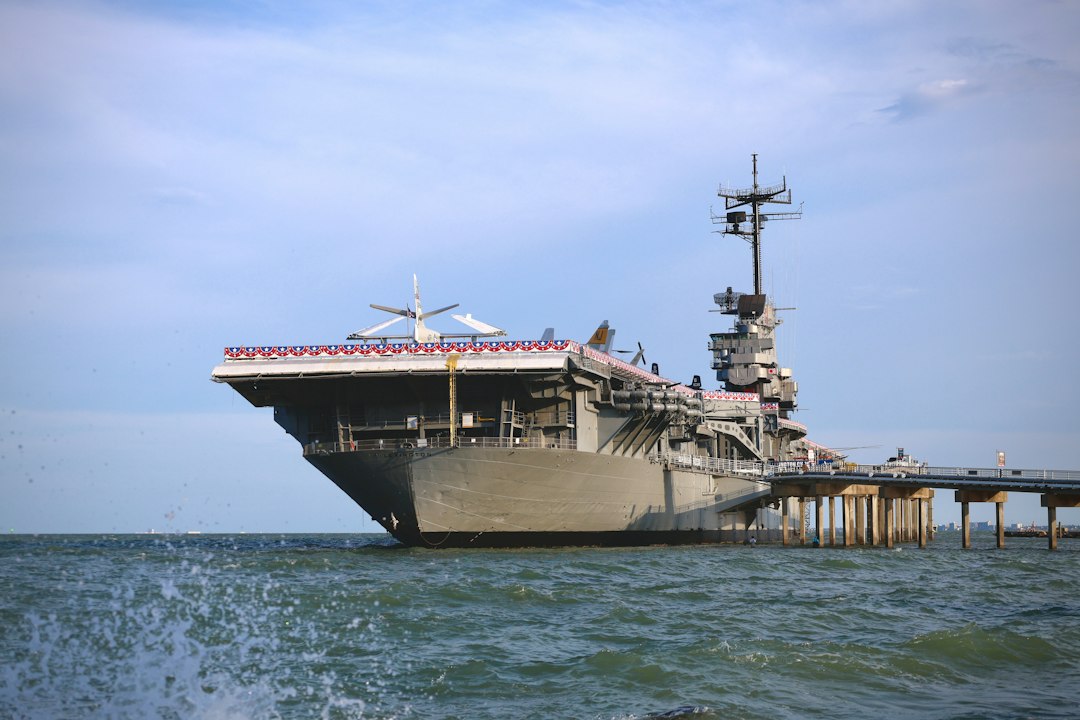
The Theodore Roosevelt group brings an aircraft carrier, an embarked air wing and escort ships capable of air defense, surveillance and long-range strikes. A carrier group typically includes thousands of sailors and can operate dozens of aircraft without depending on a host country’s airfield.
The Makin Island group adds roughly 2,000 Marines and amphibious ships designed to move troops, helicopters and other aircraft. Those forces can support combat operations, evacuations, crisis response and the defense of diplomatic or military facilities.
Together, the formations give commanders more choices. They can disperse aircraft, reinforce missile defenses, escort ships, monitor the Strait of Hormuz and respond if a U.S. base or vessel is attacked. They can also sustain a larger strike campaign if the White House makes that decision.
The U.S. Central Command’s public imagery already shows the USS George Washington operating in the Fifth Fleet area in support of what it describes as maritime security and regional stability. Its Operation Epic Fury page also documents carrier flight operations in the region. Adding the Theodore Roosevelt would create an unusually dense concentration of naval air power rather than a routine one-for-one rotation.
Capability is not the same as intent
The most important caution is also the simplest: ships can move before leaders decide exactly how they will be used. Military planners routinely position forces so a president has options during a fast-moving crisis. That preparation should not be reported as proof that a specific attack is inevitable.
At the same time, governments do not send a carrier strike group and an amphibious force into a contested region without purpose. The scale communicates that Washington expects the confrontation with Iran could worsen and does not want a shortage of aircraft, defenses or personnel to constrain its response.
That distinction—between preparing for war and deciding on war—is where much of the current uncertainty lies. It is also where miscalculation becomes dangerous. Iran may interpret the deployment as an approaching attack and disperse forces or raise alert levels. The United States may interpret those defensive preparations as evidence of hostile intent.
The pressure campaign has a military and economic side
The naval buildup does not occur in isolation. U.S. forces have been enforcing a blockade intended to cut trade through Iranian ports. In May, CENTCOM said it had redirected 100 ships and described the operation as an effort to impose economic pressure on Tehran.
Washington has also carried out strikes against Iranian military targets, while Iran and aligned armed groups have attacked U.S. forces, regional infrastructure and shipping, according to both governments and international reporting. The latest deployment therefore reinforces an existing confrontation rather than opening an entirely new one.
For the Trump administration, the added forces can strengthen coercive diplomacy: negotiate while demonstrating that rejection may bring higher costs. For Iran, however, accepting U.S. conditions under visible military pressure could carry a severe domestic political price. A buildup intended to produce compromise can therefore make compromise harder if leaders fear appearing weak.
Why carriers matter—and why they are vulnerable
Aircraft carriers are among the clearest symbols of American power because they can bring an air base to international waters. They reduce dependence on regional governments that may support U.S. objectives privately but hesitate to authorize strikes from their territory.
They are not invulnerable. Carrier groups require extensive protection, fuel and resupply. Operating several at once places strain on crews, maintenance schedules and ships needed in the Pacific, Europe and elsewhere. Concentrating forces also gives Iran more high-value targets within range of missiles, drones and maritime attacks.
That creates a paradox. A carrier can deter an adversary by making retaliation more credible. Its presence can also increase the consequences of a single error, because an attack that kills American service members could trigger a much larger response.
The civilian stakes extend beyond Iran
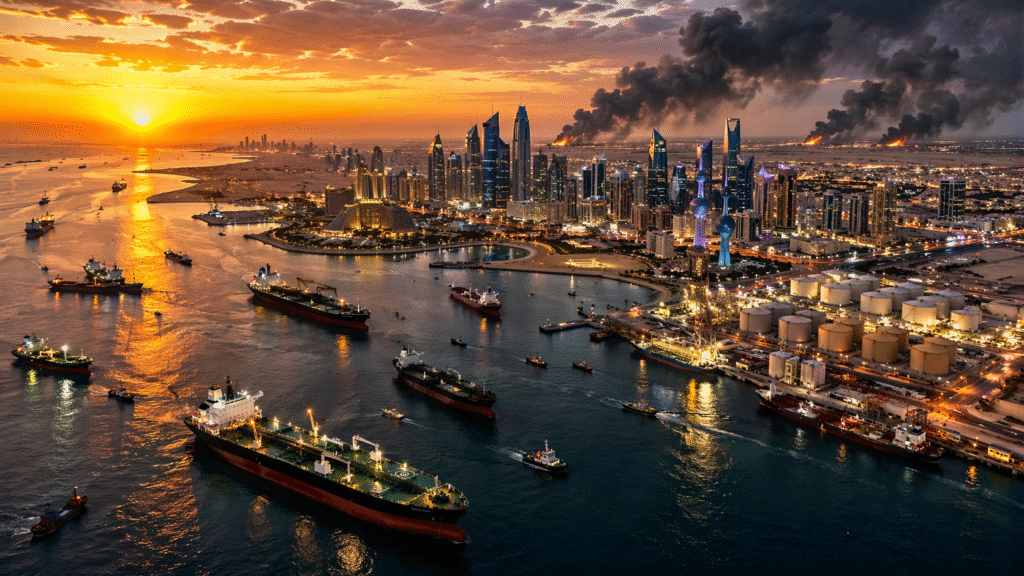
A renewed strike campaign would not remain confined to military maps. Previous fighting has disrupted medicine, shipping, air travel and energy supplies across the region. Gulf states that host American forces or depend on maritime trade could face retaliation even if their governments do not participate directly.
Commercial shipping would also have to price in greater danger. More warships can protect sea lanes, but heavier military activity around the Strait of Hormuz and Red Sea can increase insurance costs, delay voyages and reduce the number of carriers willing to enter high-risk waters.
The humanitarian consequences would fall unevenly. Civilians in Iran already face disrupted health care and rising prices. Communities in Lebanon and Yemen remain exposed to conflicts involving Iran-aligned groups. American personnel and their families would face longer deployments and greater risk. None of those costs establishes what policy Washington should choose, but all belong in the calculation.
Domestic politics complicates the timing
The deployment is unfolding shortly before U.S. midterm elections. That timing will produce arguments that the administration is using military pressure for political advantage, while supporters will argue that national-security decisions cannot wait for an election calendar.
Both claims require evidence. A military movement can have electoral effects without being ordered for electoral reasons. Responsible coverage should separate the documented deployment and the president’s public warnings from assumptions about private political motives.
Congress will also face questions about oversight, funding and the legal basis for any expanded combat operation. Moving forces does not by itself settle whether new strikes would require additional authorization or how long a widened campaign could continue.
What to watch next
The first signal will be whether the Theodore Roosevelt supplements the carriers already operating in the region or replaces one of them. A sustained three-carrier presence would indicate a much larger commitment than a temporary overlap during rotation.
Other indicators include the arrival of additional air-defense systems, tanker aircraft and surveillance assets; changes to embassy staffing; warnings to commercial shipping; evacuation preparations; and public descriptions of the deployment from the Pentagon and regional allies.
Diplomatic activity matters just as much. If intermediaries intensify talks while the ships approach, the buildup may be intended primarily to strengthen Washington’s bargaining position. If communication narrows and both sides issue new military warnings, the risk of confrontation rises.
For now, the most accurate conclusion is neither that war is imminent nor that the deployment is routine. The United States is creating a larger and faster set of military options in an already active conflict. Whether those options deter the next attack or help produce it will depend on decisions made in Washington, Tehran and capitals across the region in the coming weeks.