As world leaders gather in New York on Tuesday, one question is carrying consequences far beyond the United Nations headquarters: can the presence of both the American and Iranian presidents create even a narrow opening for diplomacy in a war that has already disrupted energy markets and regional security?
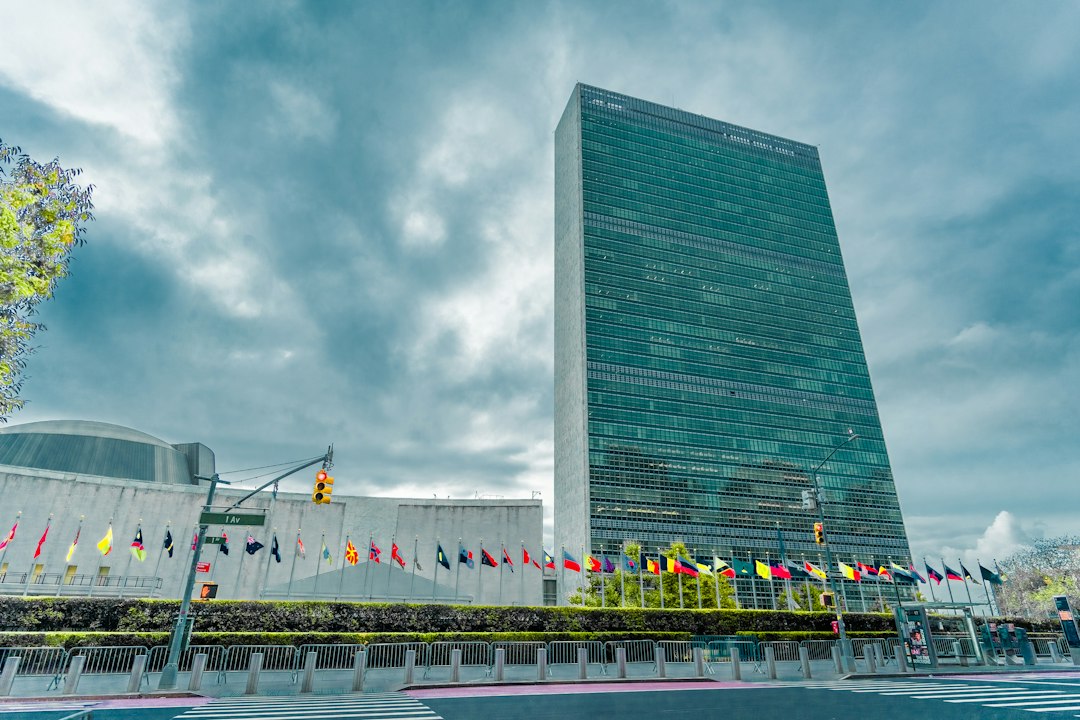
The 81st United Nations General Assembly’s high-level General Debate begins on September 22, bringing nearly 130 heads of state and government to New York. The United Nations says this year’s theme is “Restoring trust, managing transformation: a United Nations that delivers for all.” The timing gives that language unusual weight: the gathering comes amid continuing wars in the Middle East and Ukraine and growing pressure on the international system.
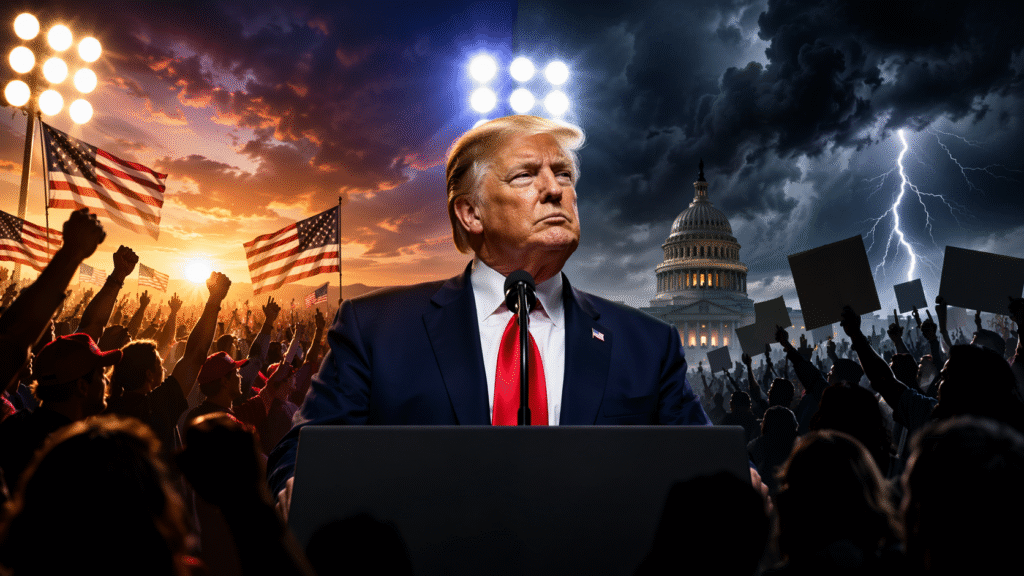
For Washington, the day is dominated by President Donald Trump’s address and an unusually dense schedule of meetings. Reuters reported on September 22 that Trump is expected to meet at least 11 foreign leaders or representatives, including Ukrainian President Volodymyr Zelenskyy and leaders from Saudi Arabia, the United Arab Emirates, Qatar, Kuwait, Bahrain and Oman.
The Iran question is moving markets already
The most immediate public-interest consequence may be energy. Oil prices rose Tuesday as traders watched for signs of possible U.S.-Iran talks during the UN gathering. Reuters reported that Brent crude for November was trading above $101 a barrel early Tuesday, while global diesel prices have reached record levels amid disruptions linked to the wars in Iran and Ukraine.
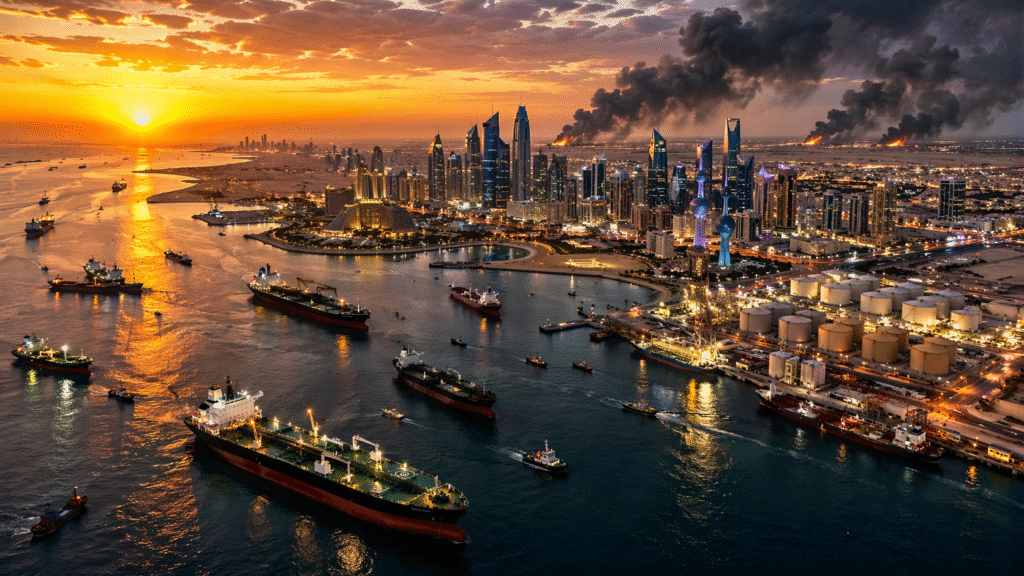
That makes diplomacy in New York more than a matter of speeches and protocol. Any credible move toward de-escalation could influence expectations about shipping through the Strait of Hormuz, regional oil exports and the risk premium built into energy prices. A breakdown, or a fresh escalation, could push in the opposite direction.
Trump has said he would be open to meeting Iranian President Masoud Pezeshkian, who is expected in New York. But no presidential meeting has been announced, and the two governments remain far apart. Reuters reported that Tehran and Washington exchanged threats over the weekend even as the possibility of renewed negotiations emerged.
Why Gulf leaders matter
Trump’s planned meeting with six Gulf states may be one of the day’s most consequential sessions. Saudi Arabia, the UAE, Qatar, Kuwait, Bahrain and Oman have direct security and economic exposure to the conflict. They also sit at the center of global energy routes whose disruption can quickly reach consumers in Europe, Asia and North America.
The regional picture has become more complicated as Yemen’s Iran-backed Houthi movement has expanded military pressure. Reuters says Gulf governments are increasingly concerned by Houthi advances, attacks on Saudi Arabia and threats to shipping through the Bab el-Mandab strait.
The economic effects are already visible. Middle Eastern oil exports have recovered from earlier disruption but remain below pre-conflict averages, according to analysts cited by Reuters. Saudi Aramco increased shipments through the Strait of Hormuz over the weekend after attacks on the kingdom’s East-West Pipeline disrupted some alternative export flows.
Ukraine remains the other major test
Iran will not be the only war competing for attention. Trump is also scheduled to meet Zelenskyy as the Russia-Ukraine war continues without a settlement. The timing is especially sensitive after intensified drone attacks and growing pressure on energy infrastructure.
The Associated Press reported that Russia struck civilian infrastructure in Zaporizhzhia after a large Ukrainian drone offensive targeted sites inside Russia, including oil refineries. The continued attacks underline the gap between diplomatic efforts and conditions on the battlefield.
That gap is part of the larger challenge facing the UN this week. The General Assembly can provide a venue for meetings and political pressure, but it cannot by itself compel the parties to end either war. Its value may instead lie in creating opportunities for direct or mediated contact that are harder to arrange elsewhere.
A test of diplomacy, not a promise of a deal
There is an important distinction between diplomatic possibility and diplomatic progress. The presence of Trump and Pezeshkian in the same city does not mean negotiations will occur, and talks would not guarantee an agreement. Public statements, military developments and domestic political pressures could still narrow the room for compromise.
Still, markets are reacting because even a small change in the risk of escalation matters. The Iran conflict affects oil production, shipping insurance, trade routes and fuel prices. Those pressures can feed into transportation and food costs thousands of miles from the battlefield.
The UN’s official schedule places the General Debate from September 22 through September 28. According to the UN, heads of state, heads of government and other senior representatives will use the session to set out their positions on global challenges.
For the public, however, the most important developments may happen away from the podium. A private meeting, a message carried through a Gulf mediator or an agreement simply to keep talking could matter more than the week’s most memorable speech.
For now, the central fact is narrower: the diplomatic opportunity exists, the economic stakes are high, and there is no guarantee it will produce a breakthrough. That makes New York a place to watch closely, but not a reason to declare peace before diplomacy has actually delivered it.