
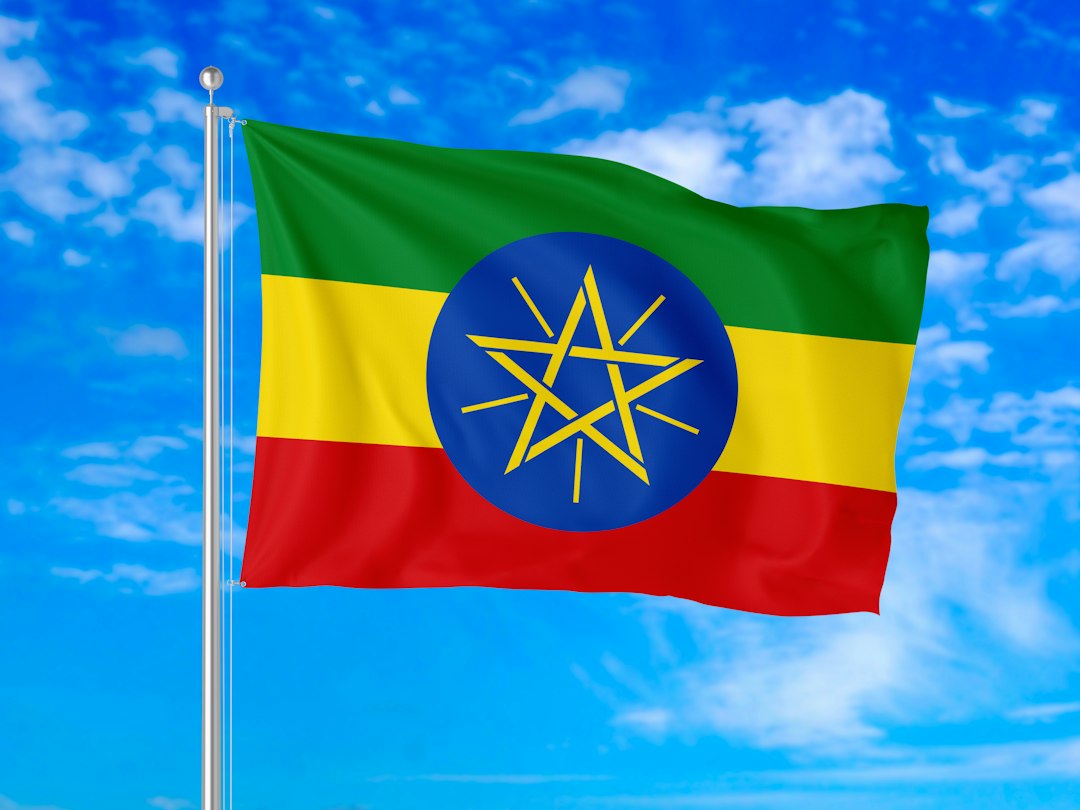
Ethiopia’s fragile peace has broken down as federal forces and Tigrayan fighters battle across the country’s north, displacing an estimated 150,000 people, overwhelming hospitals and raising the risk of another regional war in the Horn of Africa.
The fighting has spread beyond Tigray into the neighbouring Afar and Amhara regions. Airports and strategic towns have changed hands, telecommunications remain disrupted, civilian travel has been suspended and humanitarian organizations are reporting a rapid rise in war-wounded patients.
Both sides accuse the other of restarting the conflict. Tigray’s leaders describe their operations as defensive, while Ethiopia’s federal government and its allies say the Tigray People’s Liberation Front, or TPLF, launched an offensive and seized federal facilities. Claims made by combatants cannot always be independently verified because access and communications are restricted.
What is clear is that the November 2022 Pretoria peace agreement—the accord that halted one of the deadliest wars of this century—is no longer containing the conflict. The immediate danger is to civilians in northern Ethiopia. The wider danger is that Eritrea, Sudan, Egypt and other regional actors could be drawn into a confrontation unfolding beside the Red Sea and Sudan’s existing civil war.
A strategic town changes hands as the front moves again
Pro-government forces said this week that Ethiopia’s military and allied fighters captured Alamata, an important transport and supply hub approximately 120 kilometres south of Tigray’s capital, Mekelle. Reuters verified video showing soldiers marching through the town with Ethiopian flags, while diplomatic sources said opposition forces were retreating.
Alamata changed hands repeatedly during the 2020–2022 war. Control of the town gives federal-aligned forces access to a route toward Mekelle and to supply lines carrying food, fuel and military equipment. Its capture does not establish control of Tigray, but it marks an important shift after Tigrayan forces seized three regional airports and pushed into parts of Afar and Amhara.
In Afar, TPLF fighters captured the strategic town of Erebti, a commander told The Associated Press. The competing advances show a conflict moving across several fronts rather than a clear, linear victory by either side.
Telecommunications in Tigray remained disrupted for days, making it harder for families to contact relatives and for journalists and relief organizations to verify events. Reuters cited four sources who said the TPLF ordered the network shutdown; the group had not publicly responded to that allegation. The lack of communications also revives memories of the earlier war, when blackouts concealed conditions and complicated aid delivery.
The civilian toll is climbing quickly
Doctors Without Borders, known by its French initials MSF, reported a surge in wounded patients. According to AP, admissions to hospitals in Korem and Alamata rose from roughly 180 to more than 420 within 48 hours, while another 300 wounded people reached Suhul Hospital.
A humanitarian official estimated that approximately 150,000 people had already been displaced by the renewed fighting. The International Committee of the Red Cross evacuated 161 people from Mekelle to neighbouring Afar, including African Union monitors, airline personnel, federal police and aid staff.
Those numbers are alarming because the region entered this conflict before recovering from the last one. Reuters reported that about 750,000 people from Tigray were still internally displaced as of February. Drought linked to El Niño has added pressure on food, livestock and rural incomes.
The previous war’s total death toll remains disputed because comprehensive access and records were unavailable. Researchers have produced estimates reaching hundreds of thousands when deaths from combat, hunger and the collapse of health services are included. The uncertainty should not obscure the scale: the conflict caused mass displacement, severe hunger, destroyed health infrastructure and widespread allegations of atrocities by multiple forces.
How the Pretoria agreement unravelled
The African Union-brokered Pretoria Agreement was signed on November 2, 2022, by Ethiopia’s federal government and the TPLF. It ended open warfare, required the cessation of hostilities and created a framework for disarmament, humanitarian access and the restoration of federal authority.
The agreement stopped much of the killing but left central disputes unresolved. The status of contested western and southern Tigray territories remained politically explosive. Eritrean troops were accused of staying in parts of northern Ethiopia. Tigrayan fighters were not fully disarmed, while communities continued to demand the return of displaced residents and accountability for wartime abuses.
Political divisions inside Tigray deepened as well. Rival Tigrayan factions competed over the regional administration and over how to deal with Prime Minister Abiy Ahmed’s government. Days before the latest offensive, the TPLF announced an alliance with six other armed organizations that said they aimed to remove Abiy’s government.
On September 23, the African Union Commission said the seizure of the civilian airports in Mekelle, Axum and Shire was inconsistent with commitments under the Pretoria Agreement. It called for an immediate end to escalation and asked former Nigerian president Olusegun Obasanjo to re-engage the parties.
The United Nations secretary-general separately urged all sides to protect civilians, guarantee humanitarian access and return to direct talks.
Accusations against neighbouring states raise the stakes
Ethiopia’s army chief has accused Eritrea of providing financial support to the TPLF and suggested that Sudan and Egypt were assisting opposition forces. Eritrea and Sudan denied the allegations. Egypt said it respects the sovereignty and territorial integrity of other states and rejects actions that undermine regional peace.
These claims are significant even without public evidence proving them. Eritrea fought alongside Ethiopia’s federal army against the TPLF during the earlier war, but relations between Addis Ababa and Asmara have since deteriorated. Ethiopia’s demand for reliable access to the Red Sea—particularly discussion involving Eritrea’s port of Assab—has increased mistrust.
Ethiopia also has long-running tensions with Egypt over the Grand Ethiopian Renaissance Dam on the Nile. Sudan is already engulfed in its own civil war, which has produced the world’s largest displacement crisis. Accusations of support for proxies can become self-fulfilling if governments respond by arming allies or moving troops toward borders.
The Horn of Africa is therefore vulnerable to overlapping conflicts: war in Sudan, instability in Somalia, tensions around Red Sea access and now renewed combat in northern Ethiopia. Even if neighbouring governments avoid direct intervention, refugee movements, disrupted trade and armed-group alliances can carry the consequences across borders.
Why controlling territory will not create a durable peace
Federal forces may gain an operational advantage by holding Alamata and other transport routes. Tigrayan forces may retain the ability to fight from difficult terrain and extend the conflict through alliances. Neither development answers the political questions that the 2022 agreement postponed.
Ethiopia’s federal system divides substantial authority among ethnically defined regions. Disputes over borders, representation, land and security can therefore become inseparable from identity. Military victory in one town may shift bargaining power, but it cannot resolve who governs contested territory or how displaced people return safely.
A durable settlement would require more than a ceasefire. It would need credible monitoring, unimpeded aid, restoration of communications, protection for civilians, a transparent process for disputed areas and accountability mechanisms trusted by communities that suffered during the last war.
It would also require restraint in public claims. Accusations of treason, foreign sponsorship or collective disloyalty can make compromise politically dangerous and expose civilians to retaliation. Ethiopian and Tigrayan authorities both bear responsibility for separating political disputes from the safety and rights of entire populations.
The window to prevent another catastrophe is narrowing
The renewed war is still in its early phase, and front lines may change quickly. That makes casualty figures and territorial claims provisional. It also means diplomacy has not yet exhausted every option.
The African Union retains the framework and mediators from the Pretoria process. International partners can press for reopened communications, protected humanitarian routes, a halt to attacks affecting civilians and renewed negotiations before mobilization becomes more entrenched.
The alternative is visible in Ethiopia’s recent history. Once supply routes close and hospitals fail, deaths come not only from weapons but from hunger, untreated disease and the disappearance of basic services. Those indirect losses can continue long after fighting moves elsewhere.
Ethiopia’s leaders and Tigray’s authorities signed the Pretoria Agreement because neither side could achieve lasting security through war. Four years later, that conclusion remains true. The question is whether they act on it before another generation of civilians pays the price.
Sources: Reuters; Associated Press; African Union; United Nations; UNHCR Ethiopia data portal.