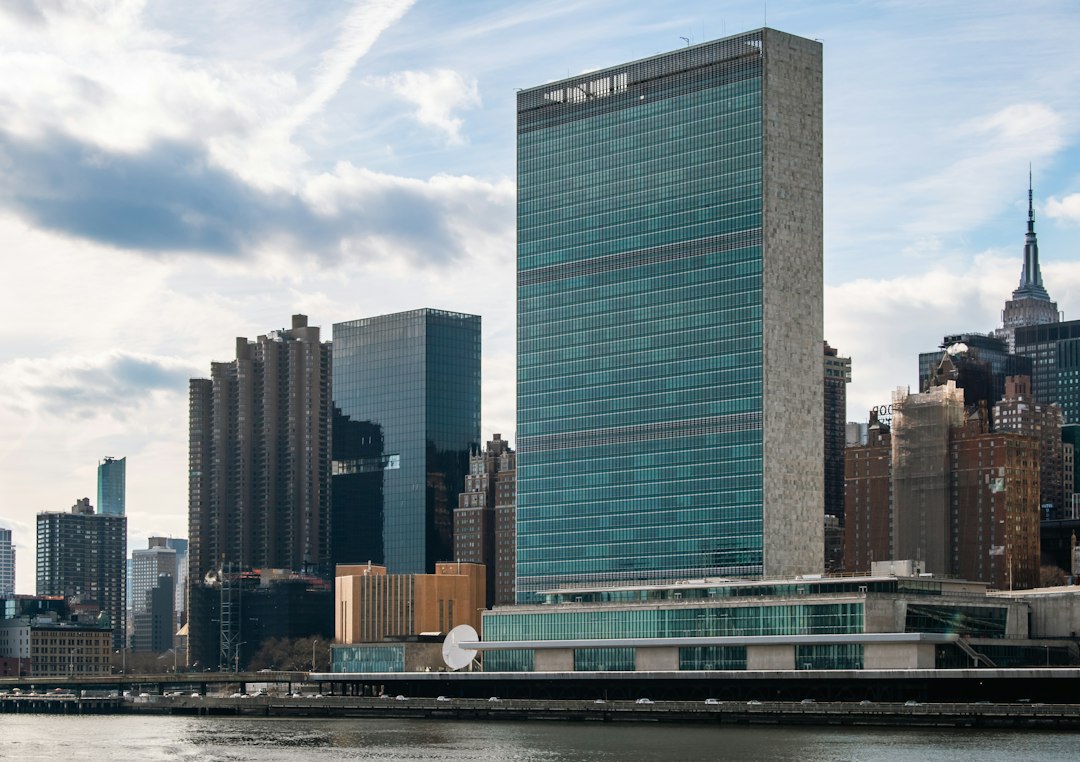
NEW YORK — World leaders are converging on the United Nations this week at a moment when the institution created to prevent global conflict is being tested by multiple wars, deepening geopolitical divisions and questions about whether its most powerful bodies still reflect the world they are meant to govern.
Nearly 130 heads of state and government are expected to attend the high-level gathering in New York, according to the United Nations. The General Debate begins Tuesday, September 22, and runs through September 28, bringing leaders from all 193 member states to the General Assembly as conflicts in Ukraine, Gaza, Iran, Sudan, Congo and Myanmar remain unresolved.
The scale of the agenda makes this more than another week of speeches. It is becoming a test of whether multilateral diplomacy can still produce meaningful results when the world’s major powers increasingly disagree over the rules themselves.
Wars are crowding the diplomatic agenda
Reuters reported that nearly 130 national leaders are gathering while the post-World War II international order is under mounting strain. The wars in the Middle East and Ukraine are expected to dominate private meetings and public addresses, even as governments confront crises elsewhere.
The Associated Press describes an unusually crowded set of pressures: wars across several regions, climate shocks, higher prices, widening inequality and concern about powerful artificial-intelligence systems developing faster than international rules intended to govern them.
The General Assembly cannot itself impose peace settlements. Many of the hardest security decisions fall to the 15-member Security Council, where the United States, China, Russia, Britain and France hold permanent seats and veto power. That structure has repeatedly exposed the limits of collective action when permanent members or their close partners are directly involved in a conflict.
A growing argument over whether the UN still reflects the world
The institutional question is becoming increasingly difficult to separate from the wars themselves. The Security Council’s permanent membership reflects the balance of power that emerged after World War II, despite enormous changes in population, economic influence and regional power over the eight decades since.
When the General Assembly’s 81st session opened earlier this month, its new president, Khalilur Rahman of Bangladesh, said the world body must adapt. In an official UN account, Rahman stressed that today’s international system is not the one that existed in 1945 and placed institutional reform and renewed multilateralism among his priorities.
UN Secretary-General António Guterres, whose second and final term ends December 31, has also pressed for changes to the Security Council. The debate is politically difficult because meaningful reform could alter the influence of countries that currently possess permanent seats and vetoes.
The official theme for this year’s General Debate — “Restoring trust, managing transformation: A United Nations that delivers for all” — therefore carries unusual weight. It reflects an acknowledgment inside the institution that confidence in the international system cannot simply be assumed.
The United States and the future of multilateralism
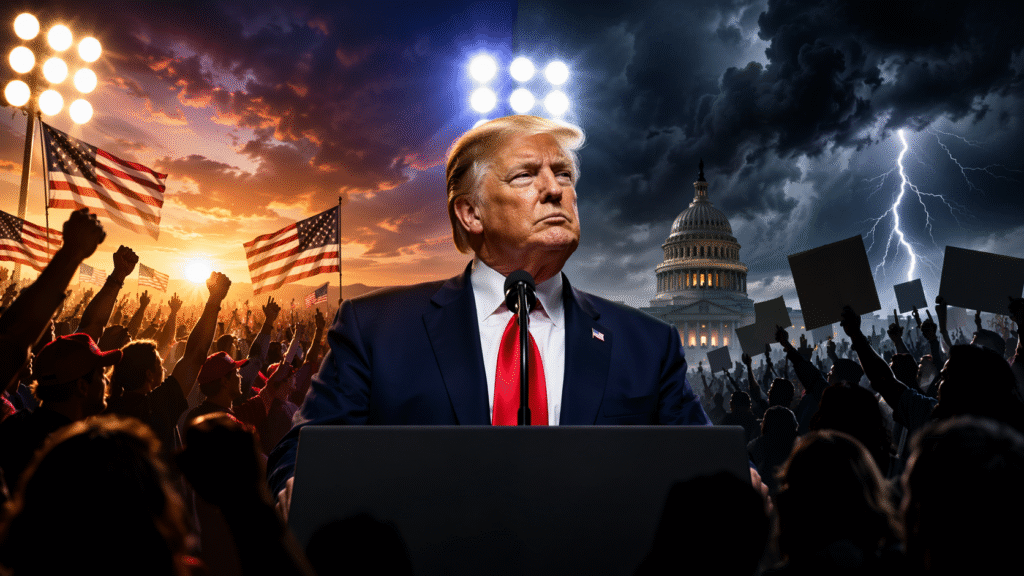
Washington’s relationship with the UN will be closely watched. Reuters notes that President Donald Trump is among the leaders attending this year’s gathering. His administration has reduced U.S. participation in a number of international bodies and cut contributions in parts of the UN system, making America’s approach to multilateral institutions a central part of the broader debate over the organization’s future.
That does not mean Washington is withdrawing from diplomacy altogether. The gathering creates opportunities for bilateral negotiations that often matter as much as formal speeches. Leaders and ministers who may rarely meet face to face can hold discussions within a few blocks of one another during the week.
Those meetings could touch trade, Ukraine, the Middle East, energy security, nuclear risks and relations between the United States and China. The significance of the UN gathering has always extended beyond resolutions passed in its chambers: it also functions as a concentrated diplomatic marketplace where governments test compromises and communicate directly during crises.
AI has moved onto the security agenda
This year’s agenda also reflects how quickly the definition of international security is changing. Artificial intelligence, once treated largely as a technology and economic issue, is increasingly being discussed alongside traditional geopolitical threats.
The UN’s official High-Level Week programme lists global cooperation, peace, development, climate and emerging challenges among the session’s priorities. AP reports that concern over advanced AI has become prominent enough for the Security Council to devote attention to the technology during the gathering.
The political difficulty is familiar: governments broadly agree that catastrophic risks should be limited, while simultaneously competing for strategic and economic advantage from the same technologies. Building rules that major powers consider both safe and fair may prove as difficult as reaching agreements on conventional security.
Why this week matters beyond New York
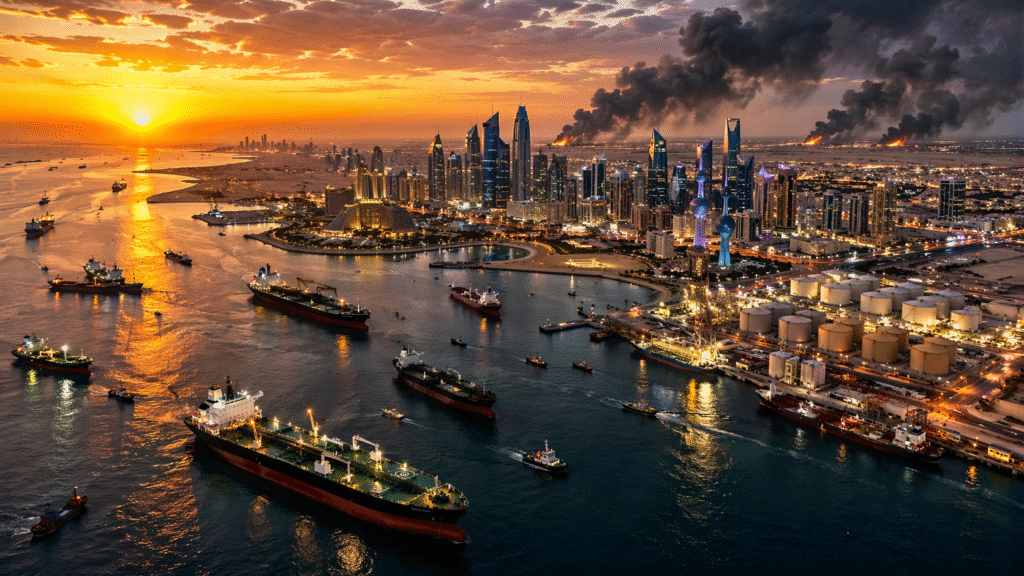
For people far from UN headquarters, the speeches can appear ceremonial. But the issues under discussion have direct consequences. Wars are affecting oil markets and shipping routes. Trade disputes influence consumer prices and employment. Climate shocks increasingly affect insurance, food supplies and public infrastructure. Decisions over AI could shape jobs, security and information systems worldwide.
The central question is therefore not whether leaders can produce ambitious declarations. The harder test is whether countries with sharply conflicting interests can still find enough common ground to prevent crises from escalating and to manage problems that no government can solve alone.
The General Debate begins September 22. By the time it closes on September 28, there will have been hundreds of speeches, meetings and diplomatic encounters. The more consequential measure will come afterward: whether any of them change what governments actually do.
Photo credit: Zoshua Colah / Unsplash.