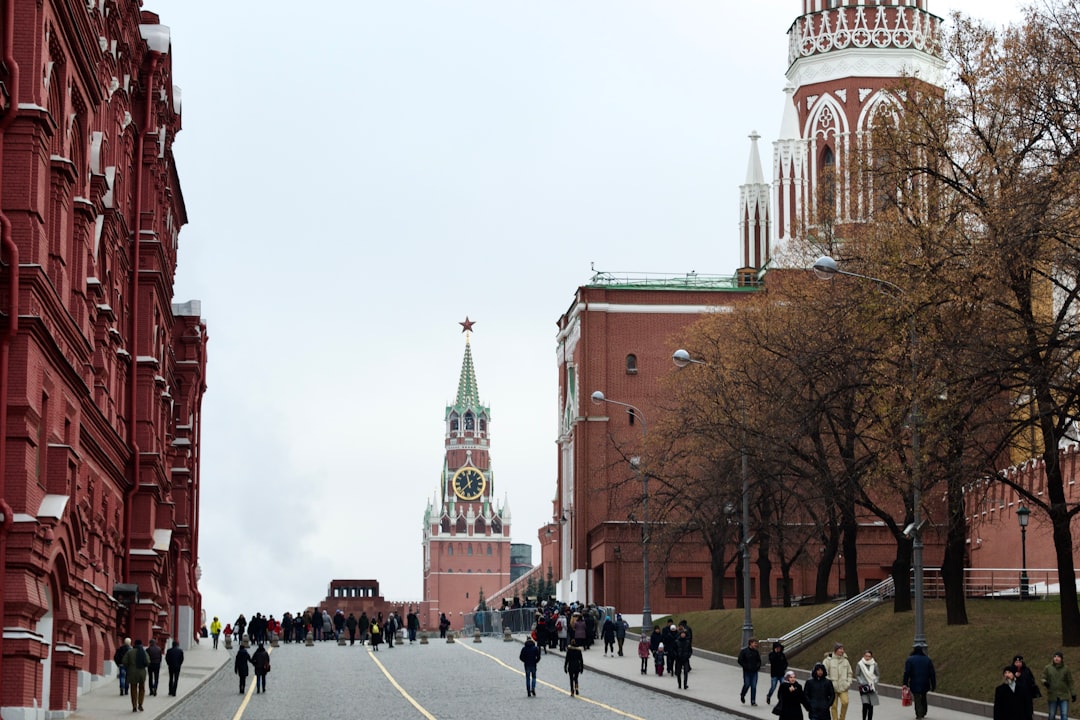
Russia began voting Friday in a parliamentary election that President Vladimir Putin has explicitly linked to the war in Ukraine, turning an otherwise predictable contest for the State Duma into a closely watched measure of how the Kremlin presents public support after more than four years of full-scale war.
The three-day vote, running from September 18 through September 20, will fill all 450 seats in the State Duma, Russia’s lower house of parliament. It is the country’s first parliamentary election since Russia launched its full-scale invasion of Ukraine in February 2022. Reuters reported Friday that the ruling United Russia party is widely expected to retain its dominance in a political system where meaningful opposition has been heavily restricted.
A vote the Kremlin has tied directly to the war
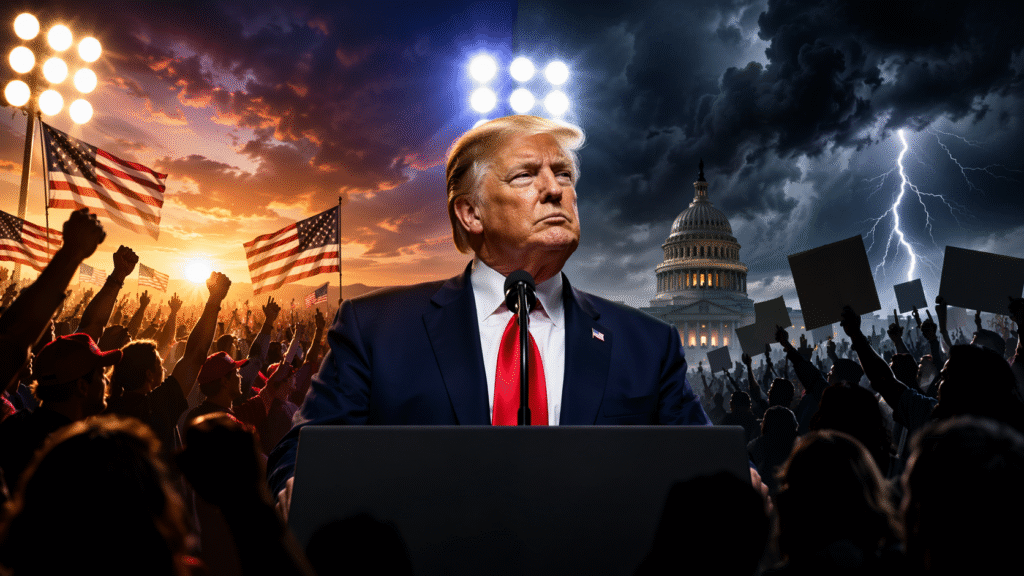
Putin used a televised address before voting began to frame participation as more than a choice of lawmakers. He said voting would demonstrate national resolve, support Russian soldiers and answer what the Kremlin describes as external attempts to weaken the country. That framing makes the election politically significant even though a major change in control of parliament is not expected.
The distinction matters. An election result can show how ballots were cast under the rules and political conditions in place, but it does not by itself establish why individual voters made their choices or provide a simple measure of public opinion about the war. The Kremlin is presenting the vote as evidence of unity; independent reporting also points to rising concern among some Russians about the conflict’s effects on daily life and the economy. Reuters reported ahead of the vote that economic strain, fuel disruptions, high interest rates and labor shortages form part of the domestic backdrop.
Opposition choices are limited
The political environment is one of the central issues surrounding the election. Most candidates from the liberal Yabloko party, which has called for a ceasefire in Ukraine, were barred after Russia’s Supreme Court ruled that the party had violated electoral rules. Some Yabloko candidates remain on ballots in individual constituencies.
The Associated Press reported that numerous dissenting politicians have been jailed or have left Russia and described the contest as taking place with virtually no effective national opposition. Russian authorities say wartime restrictions and enforcement measures are necessary for security and national stability. Critics argue that those measures have sharply narrowed political competition and public dissent.
United Russia remains the dominant political force. Other parties represented in parliament include the Communist Party, LDPR, A Just Russia and New People. These parties differ on domestic issues but have generally supported major Kremlin initiatives connected to the war.
Why the result matters beyond Russia
The State Duma has played an important role in approving legislation connected to the war, sanctions policy, military service and restrictions on dissent. Continued control by United Russia would preserve the legislative environment on which the Kremlin has relied throughout the conflict.
The vote also extends into Russian-controlled parts of four Ukrainian regions as well as Crimea. Ukraine rejects Russia’s claims to those territories and has condemned voting there as illegal. Most of the international community does not recognize Russia’s annexation claims over the occupied Ukrainian regions, while Crimea has been under Russian control since its 2014 annexation.
The international-observation picture is also notable. The OSCE Office for Democratic Institutions and Human Rights lists Russia’s 2026 parliamentary election on its election calendar but does not list an observation or assessment mission for the vote. In earlier Russian elections, OSCE observers raised concerns about restrictions on political rights, media conditions and candidate registration.
War pressure is increasingly visible at home
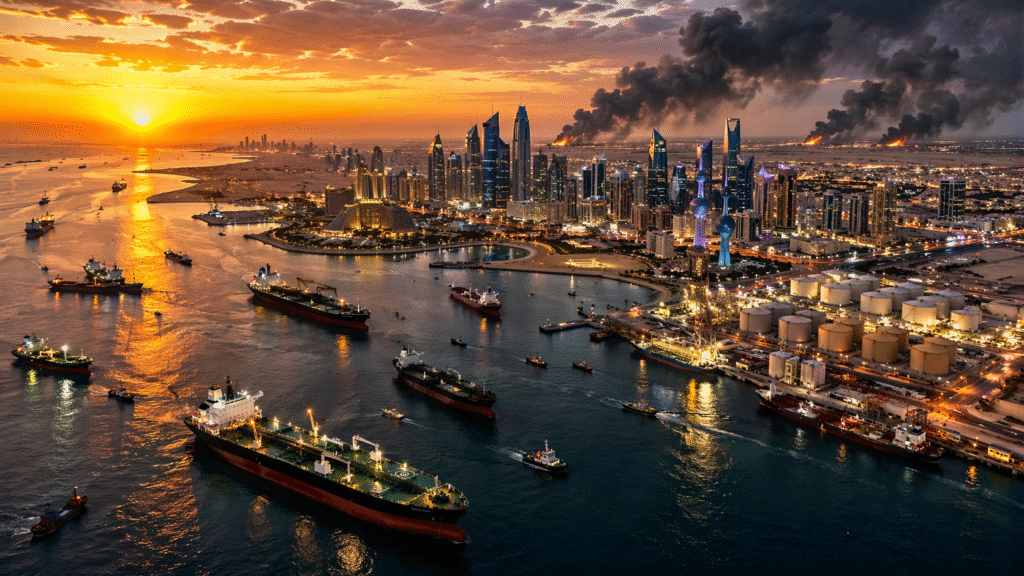
For years, much of the physical destruction from the war has been concentrated inside Ukraine. But long-range Ukrainian drone attacks have increasingly reached Russian oil facilities and other infrastructure. Recent attacks have contributed to fuel shortages in some areas, while sanctions, elevated borrowing costs and labor constraints have added pressure to businesses and households.
That does not make the election outcome unpredictable: both Reuters and AP report that United Russia is expected to remain dominant. Instead, attention is likely to focus on turnout, the ruling party’s vote share, regional variations and how officials interpret the result.
What happens next
Polls close Sunday, September 20. Initial and partial results are expected Sunday evening, with near-complete results expected Monday, according to Reuters.
The central political question will therefore extend beyond who controls the Duma. The Kremlin has chosen to present this election as a demonstration of wartime unity. The final numbers will become part of that political narrative at a moment when the war, economic pressure and attacks inside Russia are increasingly intersecting with everyday life.
This article will be updated if official results or significant verified developments change the picture.