WASHINGTON — The United States has opened a new front in its economic pressure campaign against Russia, with a law that reaches beyond Moscow itself and could force some of the world’s biggest energy buyers to reconsider the cost of doing business with Russia.
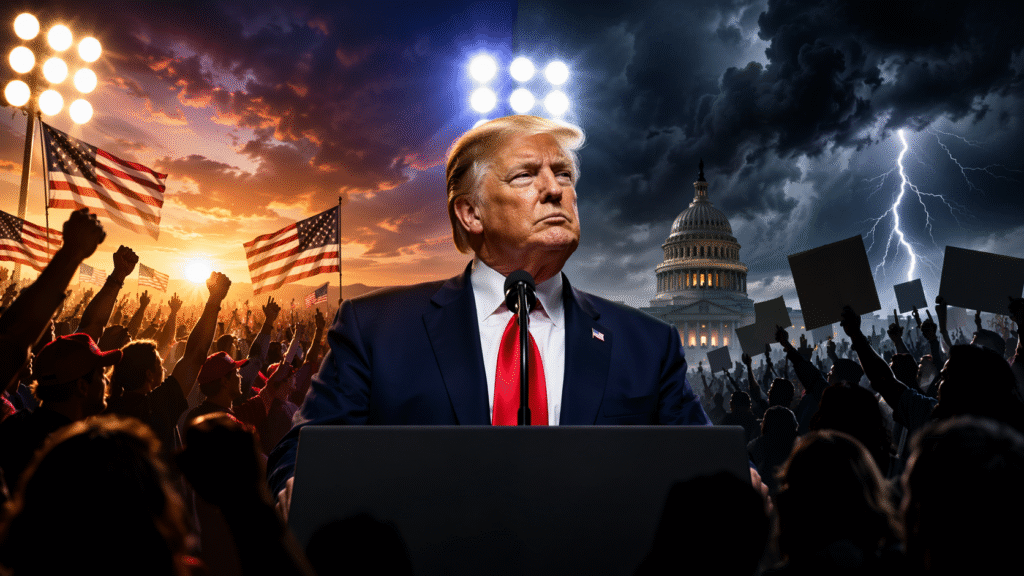
President Donald Trump signed the Lindsey O. Graham Sanctioning Russia and Iran Act of 2026 on Friday, September 18. The White House confirmed that the legislation expands statutory sanctions, tariffs and prohibitions on Russia while extending existing sanctions authorities on Iran.
The move is significant not simply because it adds another layer of penalties on Moscow. The law is designed to reach into the international networks that allow Russian energy exports to keep generating revenue — including banks, intermediaries, oil tankers and major foreign purchasers.
A sanctions law with global reach
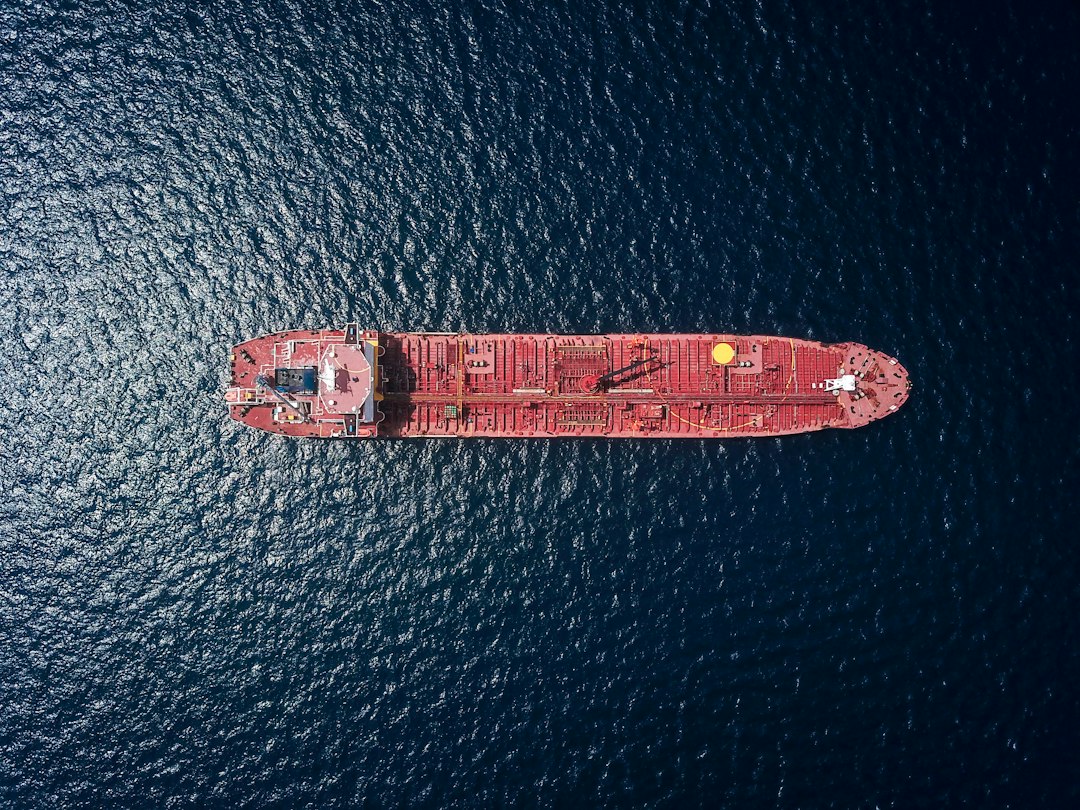
According to Reuters, the legislation targets Russia’s energy and defense industries as well as the so-called shadow fleet of tankers used to move oil while avoiding existing Western restrictions. The stated objective is to reduce the revenue available to Moscow to finance its war in Ukraine.
The measure also gives the president authority to impose substantial tariffs on major countries purchasing Russian energy. The Associated Press reports that tariffs can reach as high as 100% on the five largest importers of Russian oil or natural gas, subject to provisions and exemptions in the legislation.
That feature makes the law potentially consequential well beyond Russia and Ukraine. Large economies that continue to buy Russian energy could face difficult calculations involving energy security, trade with the United States and the price of replacing Russian supplies.
Why energy buyers matter
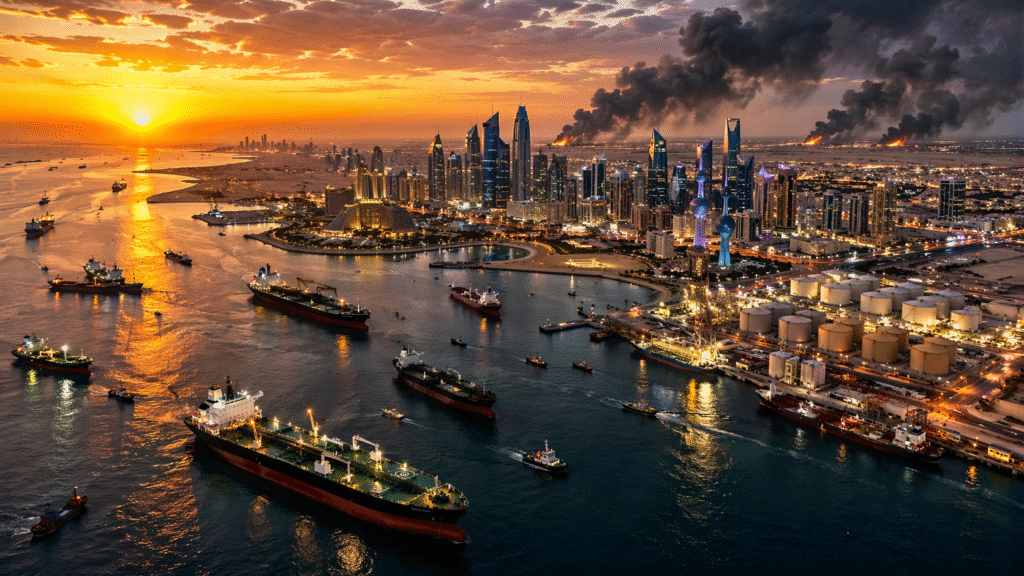
Energy exports have remained a central source of Russian revenue throughout the war. Western governments have already used sanctions, price restrictions and measures against vessels and financial networks in an effort to constrain that income. Russia, meanwhile, has redirected substantial energy trade toward markets outside Europe.
The new law attempts to increase pressure not only on sellers but also on buyers and facilitators. A statement from Senator Katie Britt’s office says the legislation covers Russian officials, financial institutions, foreign persons and the shadow fleet, and directs the president to impose tariffs of up to 100% on certain major importers or facilitators of Russian energy trade.
The law contains an exemption tied to countries whose purchases account for a relatively small share of Russian natural-gas exports and that are taking significant steps to reduce those imports, according to the Senate statement.
Bipartisan support — and concerns over presidential power
The legislation passed Congress with support from members of both parties, but the tariff provisions also produced a political dispute over how much discretion should be placed in presidential hands.
The Senate approved the measure 86-11 in August, while the House passed it 262-159 this week, according to AP. The bill was named for the late Republican Senator Lindsey Graham of South Carolina, who had been one of its leading advocates.
Supporters argue that stronger secondary pressure is necessary because sanctions aimed only at Russian entities can be weakened when trade is rerouted through third countries. Critics have focused on the breadth of the tariff authority and the possibility that it could affect U.S. trade relationships and costs for consumers.
Reuters reported that critics warned the tariff powers could create problems for countries that become targets of U.S. trade action and could have effects extending beyond the immediate Russia policy debate.
The Ukraine war remains the central test
The sanctions arrive as efforts to reach a negotiated end to the war remain stalled. Ukraine and Russia continue to disagree over territory and security arrangements, while fighting and long-range attacks continue.
The legislation therefore creates a test of economic leverage: whether raising the cost of Russia’s energy trade — and the cost for countries that help sustain it — can materially alter Moscow’s calculations without producing unacceptable economic consequences elsewhere.
Sanctions rarely operate in isolation. Their impact depends on enforcement, the availability of alternative markets, the ability of targeted networks to adapt, and the willingness of other governments and companies to comply. The new U.S. law increases the tools available to Washington, but its practical effect will depend heavily on how aggressively those tools are used.
Iran sanctions extended as well
Despite the law’s focus on Russia, it also extends U.S. sanctions authority related to Iran. The White House statement says the legislation extends existing Iran sanctions, while the Senate summary says the Iran Sanctions Act is extended for five years.
That provision gives the legislation a broader geopolitical footprint at a time when both Russian energy flows and Middle East tensions are affecting global energy security.
What happens next
The immediate question is implementation. The law provides powerful authorities, but the economic impact will depend on which entities and countries are targeted, how quickly measures are imposed, what exemptions are granted and how affected governments respond.
For consumers and businesses far from the battlefield, those decisions could matter through oil prices, shipping costs, trade flows and broader inflation pressures. For Ukraine and Russia, the central question is whether the new pressure changes the financial or diplomatic balance of a war now well into its fifth year.
The legislation marks a substantial escalation in Washington’s economic strategy. Whether it becomes a decisive source of leverage or another layer in an increasingly complex sanctions system will become clearer only as enforcement begins.