An unexpected meeting between U.S. and Iranian officials at the United Nations has created the clearest opening in months for diplomacy over the nearly seven-month war, even as public threats from Washington and hard conditions from Tehran show how far the two sides remain from a settlement.
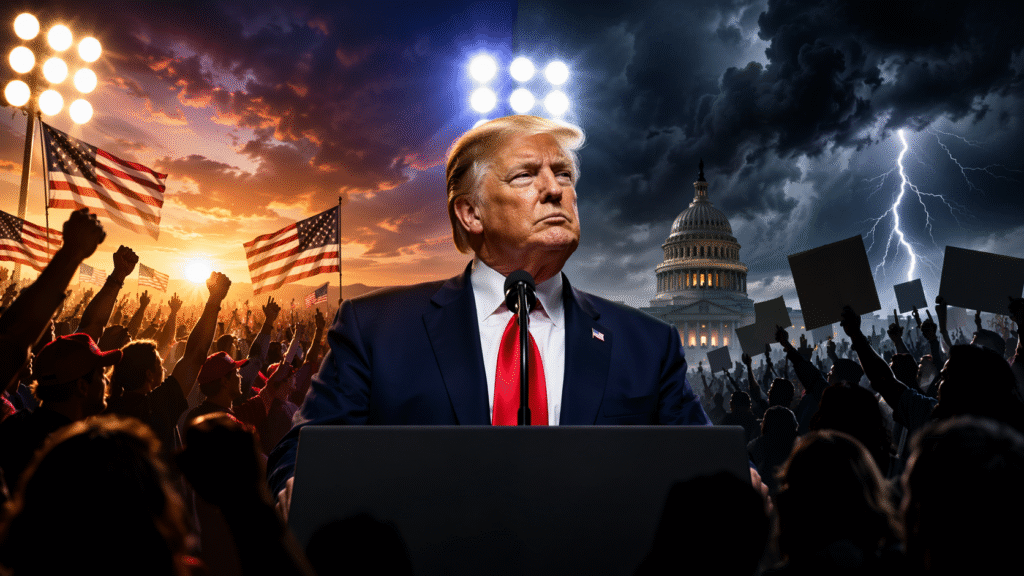
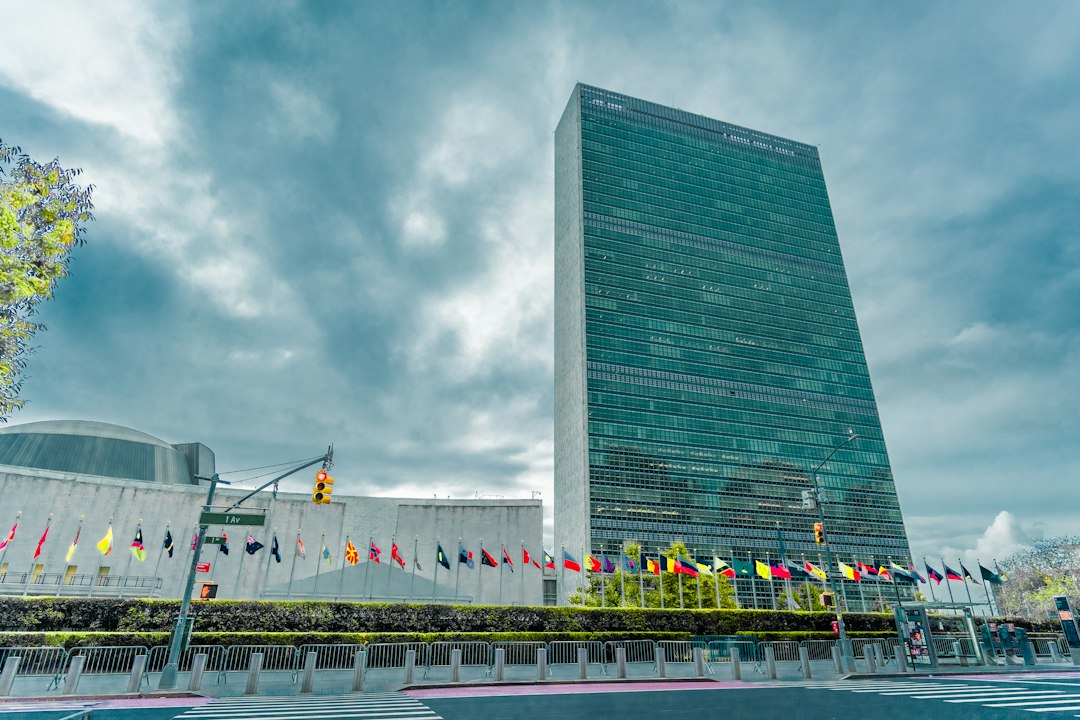
President Donald Trump said U.S. and Iranian officials met for about three hours on Tuesday, September 22, on the sidelines of the UN General Assembly in New York. The engagement came only hours after Trump used his General Assembly address to warn Iran of devastating consequences if an agreement is not reached. The Associated Press reported that Trump described the meeting positively but provided few details about who participated or what concrete progress, if any, was made.
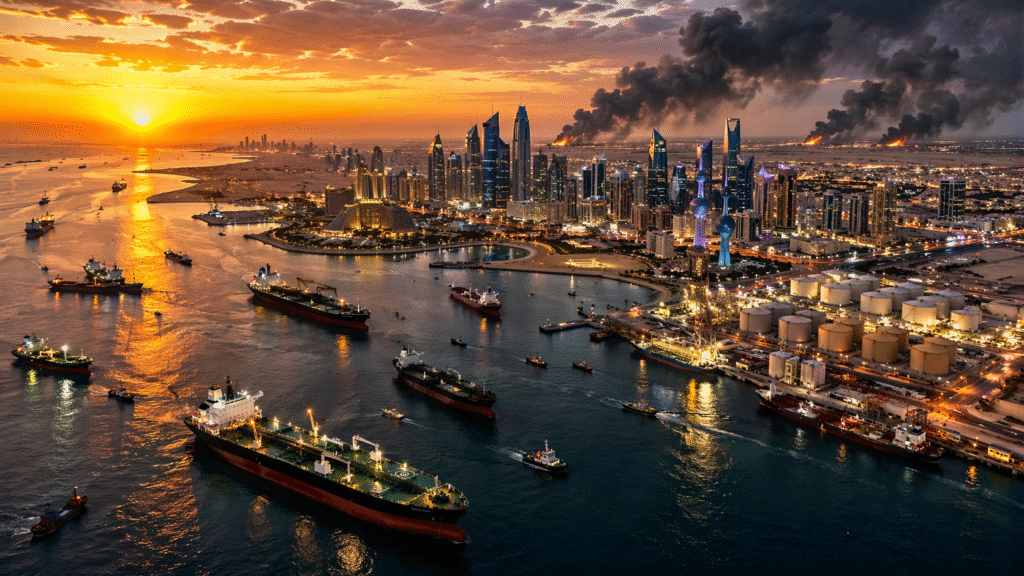
The development matters far beyond Washington and Tehran. At the center of the emerging diplomacy is the Strait of Hormuz, one of the world’s most strategically important energy corridors. Disruption there has affected oil markets, shipping routes and governments far removed from the fighting.
A diplomatic opening after months of war
The meeting represents a notable shift from the public posture surrounding the conflict. In his UN address, Trump defended U.S. military action against Iran and called for greater economic pressure on Tehran. Reuters reported that the president also said he believed an eventual agreement was possible, despite using unusually severe language about the consequences of failure.
Iran, meanwhile, has arrived in New York signaling that it is prepared to discuss an end to hostilities but wants changes in U.S. military and economic pressure. According to Reuters, a senior Iranian official said Tehran could reopen the Strait of Hormuz within seven days if the United States eases military pressure and lifts its blockade on Iranian ports. Iran’s delegation was reported to have authority to pursue negotiations.
Those statements do not amount to an agreement. They do, however, identify a possible exchange around which negotiations could develop: reduced pressure on Iran in return for restored navigation through Hormuz and a broader path toward ending hostilities.
Why Hormuz changes the stakes
The Strait of Hormuz connects the Persian Gulf with the Gulf of Oman and the Arabian Sea. Its importance means restrictions on commercial traffic can quickly become a global economic issue rather than a regional one.
That is why the diplomatic discussion is being watched closely by Gulf governments and major energy-importing countries. Russia’s President Vladimir Putin and Saudi Crown Prince Mohammed bin Salman stressed the need for safe passage through both Hormuz and the Bab el-Mandeb during a phone call this week, Reuters reported.
For households and businesses, the consequences are practical. Prolonged disruption to major shipping lanes can raise transportation and insurance costs, complicate supply chains and put upward pressure on energy prices. A durable reopening would not solve every cause of high oil prices, but it could remove one of the most significant geopolitical risks hanging over global energy markets.
Threats and talks are happening at the same time
The most striking feature of the current moment is the contrast between the rhetoric and the diplomacy. Trump publicly called for Iran’s economic isolation and warned of further military consequences, while officials from the two countries were also communicating in New York. Reuters reported that Iran had been signaling willingness to revive negotiations even as the U.S. president maintained a confrontational public stance.
This does not necessarily mean either side has changed its underlying objectives. Governments often negotiate while maintaining military or economic pressure intended to strengthen their bargaining position. The existence of talks is therefore significant, but it should not be confused with evidence that a ceasefire or peace agreement is imminent.
There are also major unresolved questions. It is not yet clear what security guarantees either side would accept, how sanctions and port restrictions would be handled, whether nuclear issues would form part of a broader settlement, or what role regional states would play in enforcing any agreement.
A decision point at the United Nations
The UN General Assembly has become the venue for this diplomatic opening because it places leaders and senior officials from rival governments in the same city at a moment when formal channels have been severely strained. That does not give the United Nations control over the negotiations, but it creates opportunities for direct and mediated contacts that are difficult to arrange during active conflict.
The broader regional environment remains dangerous. Fighting in Yemen and threats to Red Sea shipping have added another layer of instability, while the Group of Seven has called on Iran to stop supporting Houthi military operations. Reuters reported that G7 foreign ministers warned the escalation threatens international trade and regional stability.
For now, the most important development is not that peace has arrived, but that a channel exists at all. The next test will be whether Tuesday’s meeting produces concrete steps: further talks, measures to reduce military risk, movement on shipping through Hormuz, or a framework for a ceasefire.
If none of those follows, the New York encounter may prove to have been little more than a brief diplomatic contact amid an ongoing war. If the channel expands, however, the combination of U.S.-Iran talks and a potential reopening of Hormuz could become one of the most consequential diplomatic developments of the year, with effects reaching from Middle Eastern security to fuel prices and global trade.